

SELF-CARE
Can Fermented Foods Help With GLP-1 Production?
Jul 24, 2026 · 5 min Read
Fermented foods GLP-1 production may improve with gut bacteria support and steady dietary variety, per The Absorption Company's research. Learn more today.

By Dr. John Doe


780 clinicians
share The Absorption Company on FrontrowMD without compensation.
Learn more.

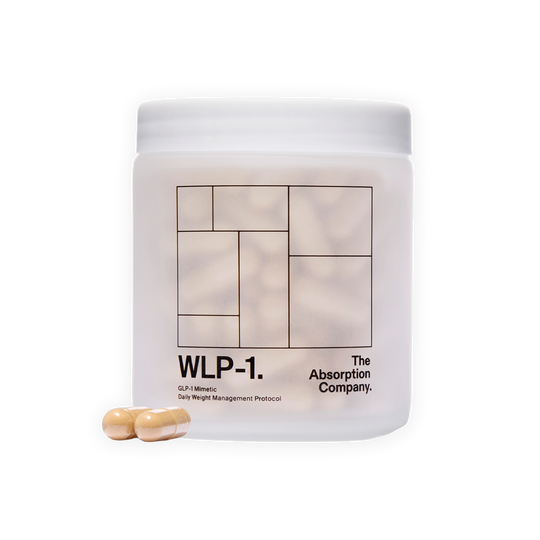
WLP-1™: Oral GLP-1 Support
Oral GLP-1 biomimetic powered by our Body Ready® tripeptide complex, targeting three metabolic pathways to reduce cravings, boost calorie burn, and support healthy weight management.* Clinically studied ingredients shown to support ~9 lbs of weight reduction in 4 weeks and up to 12% body weight in a 10-week clinical trial.*
Don’t Miss These
Works well with SELF-CARE
WLP-1™: Oral GLP-1 Support
Burn More Calories at Rest & Control Appetite
$69.00/mo
$99.00*
Strikethrough price refers to one time purchase

Ultimate Weight Management Stack
Full-Spectrum Weight Management Support
$99.16/mo
$148.00*
Strikethrough price refers to one time purchase

GLP-1 Daily Essentials Stack
Weight Management & Nutrient Support
$166.00
$166.00

GLP-1 Nutrient Support Stack
Replenish Nutrients, Hydration & Bone Support
$99.00
$99.00
Related Products

WLP-1™: Oral GLP-1 Support
Burn More Calories at Rest & Control Appetite
$69.00/mo
$99.00*
Strikethrough price refers to one time purchase

Ultimate Weight Management Stack
Full-Spectrum Weight Management Support
$99.16/mo
$148.00*
Strikethrough price refers to one time purchase

GLP-1 Daily Essentials Stack
Weight Management & Nutrient Support
$124.00
$166.00*
Strikethrough price refers to one time purchase


