SELF-CARE
GLP-1 And Hair Loss: Why Semaglutide Causes Shedding And How To Reverse It
Learn what causes GLP-1 hair loss, how long it may last, and ways to support healthier hair with guidance from The Absorption Company.
By Dr. John Doe
John Doe, PhD, is a clinical researcher specializing in recovery science.
Learn what causes GLP-1 hair loss, how long it may last, and ways to support healthier hair with guidance from The Absorption Company.
780 clinicians
share The Absorption Company on FrontrowMD without compensation.
Learn more.
Key Takeaways:
- GLP-1 Shedding Is Temporary, Not Permanent: Hair shedding tied to GLP-1 medications typically improves as the body adapts and the hair growth cycle returns to normal.
- Hair Needs More Than Just Calories: Hair follicles require a steady supply of protein, micronutrients, and internal support to maintain healthy growth during weight loss.
- Absorption Decides What Your Hair Gets: Taking supplements is only half the equation. How much your body actually absorbs determines the real benefit your hair receives.
Semaglutide can contribute to hair shedding, and the reason is more straightforward than most people expect. Rapid weight loss, reduced calorie intake, physical stress, and widening nutrient gaps leave hair follicles operating with fewer resources than they need to sustain normal growth.
At The Absorption Company, our entire mission centers on solving the problem of nutrient absorption with pharmaceutical-grade supplements formulated for increased absorption. When your body is already losing nutrients to poor absorption, adding metabolic stress from a GLP-1 medication only widens that gap.
In this piece, we’ll break down why GLP-1 hair loss happens, what your body may be missing, and the practical ways to support stronger, healthier regrowth while staying on track with your wellness goals.
Can Semaglutide Cause Hair Loss?
Reports of semaglutide hair loss have been observed among users of GLP-1 medications, including Ozempic and Wegovy, and while hair changes are not among the most frequently listed side effects, they are common enough that they warrant a real explanation.
When you are seeing meaningful progress with weight management, experiencing GLP-1 hair loss can be incredibly frustrating. The reassuring reality is that this type of shedding is typically temporary. For most people, hair growth resumes once the body has had adequate time to adapt.
SEE THE COLLECTION
Why Rapid Weight Loss Can Trigger Hair Shedding
Rapid weight loss can place significant demands on the body, especially during periods of major metabolic change. As the body adjusts to a lower calorie intake and changing energy needs, fewer resources may be available for processes that are not essential for immediate survival.
Hair follicles are among the most active structures in the body, requiring a steady supply of energy and nutrients to maintain growth. When those resources become limited during substantial weight loss, follicles may struggle to maintain the same level of activity, which can lead to changes in hair density.
Rapid weight loss places significant demands on the body during periods of major metabolic change. As calorie intake drops and energy needs shift, the body tends to redirect resources toward essential survival functions, and hair production often takes a back seat.
Hair follicles are among the most metabolically active structures in the body. They require a steady supply of energy, protein, iron, zinc, biotin, and B vitamins to maintain normal growth activity. When those resources become limited during substantial weight loss, follicles may slow or pause their growth cycle, contributing to the shedding many people endure.
The problem becomes even more pronounced when the supplements someone is taking to fill those nutritional gaps are not being properly absorbed. Studies show that only about 16% of nutrients from standard supplements actually reach the bloodstream, meaning the gap between what you take and what your body uses is far wider than most people realize.
Hair Loss With Semaglutide: When Does Shedding Start And How Long Does It Last?
Hair loss with semaglutide often catches people off guard because shedding rarely begins at the same time as treatment. Many people notice changes in hair density several weeks or months after starting their GLP-1 medication, making the connection difficult to recognize right away.
The good news is that GLP-1 hair loss is not permanent. Most people see shedding gradually slow over time, and signs of regrowth often appear once the hair growth cycle returns to its natural rhythm.
How To Stop Hair Loss From Ozempic Female Patients Commonly Experience
Although GLP-1 hair loss can feel alarming, several targeted nutrition and lifestyle habits can help protect your follicles throughout your weight-loss journey.
Build Every Meal Around Protein
Hair is made almost entirely of keratin, a structural protein, so consistently meeting your daily protein targets gives follicles the raw materials they need to grow and repair. High-quality sources like eggs, salmon, Greek yogurt, legumes, and lean poultry deliver the amino acid profile hair follicles rely on most.
Slow Down the Rate of Weight Loss
A more gradual rate of weight loss places less physical stress on the body and tends to be easier on the hair growth cycle. Working with your prescribing provider to adjust your dosing pace or caloric targets can reduce the metabolic shock your system experiences. Even slowing weight loss by half a pound per week can make a difference in how the body allocates resources to hair production.
Fill Your Plate With the Right Nutrients
Colorful fruits and vegetables, healthy fats, and quality proteins supply the vitamins and minerals that hair follicles depend on. Iron-rich foods like spinach, lentils, and red meat directly support follicle oxygenation. Zinc-rich options like pumpkin seeds, chickpeas, and cashews play a role in hair tissue repair and the function of oil glands around each follicle. Avocado, eggs, and fatty fish deliver biotin and healthy fats that feed follicles from within.
Keep Your Nutrition Consistent
Regular meals and steady nutrient intake create a stable internal environment that favors healthy hair growth. Skipping meals or cycling in and out of overly restrictive eating patterns deprives follicles of the consistent fuel they need. Foods like wild salmon, walnuts, sweet potatoes, and dark leafy greens are well-suited to creating the steady nutritional baseline your follicles need.
Give Your Body an Absorption Advantage
Taking supplements is only part of the equation. Your body must absorb and utilize those nutrients for them to actually reach your hair follicles. Our formulas are built to a pharmaceutical-grade standard specifically to close that gap. Adding restore support to your routine helps replenish the key electrolytes and micronutrients your body loses during rapid metabolic shifts.
Add Targeted Nutritional Support
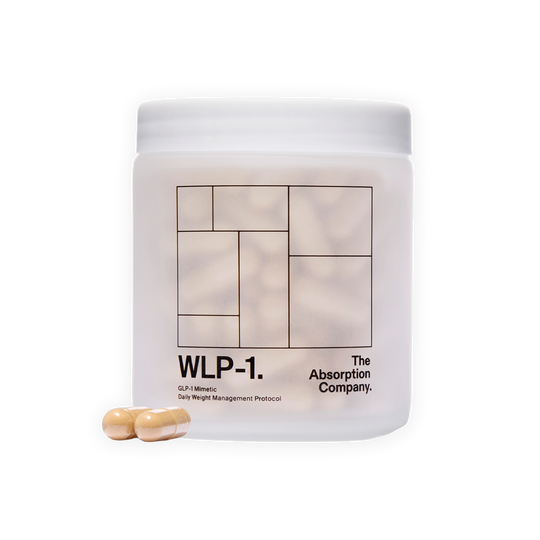
Some people choose to combine lifestyle habits with targeted supplements designed specifically for GLP-1 users. Incorporating a WLP1 oral GLP-1 support formula alongside a GLP-1 nutrient stack addresses the broader metabolic and nutritional demands that come with being on a GLP-1 regimen, giving your body more to work with throughout the regrowth process.
Final Thoughts
GLP-1 hair loss highlights a deeper truth about how hair health works: what your follicles receive depends entirely on what your body actually absorbs. Supplements don't work if they don't absorb, and during a period of rapid metabolic change, that gap widens fast. Consistent nutrition, pharmaceutical-grade supplementation built for real absorption, and patience with the regrowth timeline give your follicles their best chance.
Frequently Asked Questions About GLP-1 Hair Loss
Does everyone taking a GLP-1 medication experience hair loss?
No, many people take GLP-1 medications without noticing any significant changes in their hair.
Is GLP-1 hair loss more common in women than in men?
Women tend to report hair shedding more often, partly because changes in hair density are usually easier to detect.
Can Existing Hair Thinning Become More Noticeable While Taking a GLP-1 Medication?
Yes, underlying thinning may appear more obvious when additional shedding occurs.
Should I stop my GLP-1 medication if I notice weight loss?
Any medication changes should be discussed with your healthcare provider before making a decision.
Can hair shedding affect people taking GLP-1 medications for diabetes and weight loss?
Yes, reports of hair shedding have come from individuals using these medications for both purposes.
Does age play a role in GLP-1-related hair changes?
Age can influence overall hair health and may affect how noticeable shedding becomes.
Can hair styling habits make shedding appear worse?
Frequent heat styling, chemical treatments, and tight hairstyles can make thinning more visible.
Disclaimer:
The information provided in this article is for general informational and educational purposes only and is not a substitute for professional medical advice, diagnosis, or treatment. Always seek the guidance of your physician or other qualified health provider with any questions you may have regarding your health or a medical condition. Never disregard or delay seeking professional medical advice because of something you have read here.
FDA Disclaimer:
These statements have not been evaluated by the Food and Drug Administration. The products are not intended to diagnose, treat, cure, or prevent any disease.
Sources:
- Gokce, N., Basgoz, N., Kenanoglu, S., Akalin, H., Ozkul, Y., Ergoren, M. C., Beccari, T., Bertelli, M., & Dundar, M. (2022). An overview of the genetic aspects of hair loss and its connection with nutrition. Journal of preventive medicine and hygiene, 63(2 Suppl 3), E228–E238. https://doi.org/10.15167/2421-4248/jpmh2022.63.2S3.2765
- Trüeb, R. M. (2020). The hair cycle and its relation to nutrition. In Nutrition for Healthy Hair: Guide to Understanding and Proper Practice (pp. 37-109). Cham: Springer International Publishing.
Related Products
Featured Posts