

SELF-CARE
What Is The Half-Life Of GLP-1 In The Body?
Jul 03, 2026 · 5 min Read
Get clear answers about GLP-1 half life from The Absorption Company and learn what influences how long GLP-1 remains active in the body.

By Dr. John Doe


780 clinicians
share The Absorption Company on FrontrowMD without compensation.
Learn more.

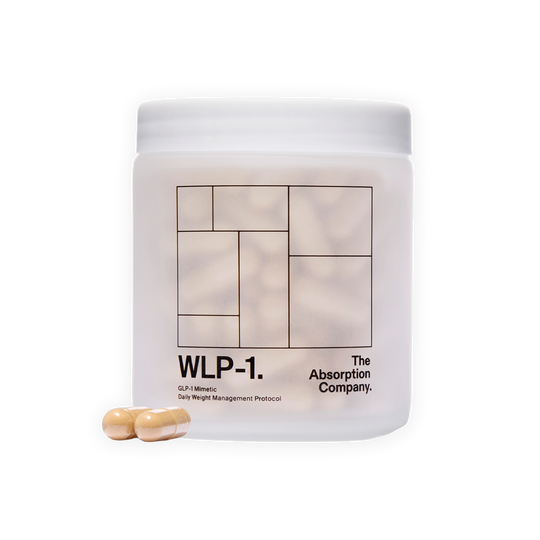
WLP-1™: Oral GLP-1 Support
Oral GLP-1 biomimetic powered by our Body Ready® tripeptide complex, targeting three metabolic pathways to reduce cravings, boost calorie burn, and support healthy weight management.* Clinically studied ingredients shown to support ~9 lbs of weight reduction in 4 weeks and up to 12% body weight in a 10-week clinical trial.*
Don’t Miss These
Works well with SELF-CARE
WLP-1™: Oral GLP-1 Support
Burn More Calories at Rest & Control Appetite
$69.00/mo
$99.00*
Strikethrough price refers to one time purchase

Ultimate Weight Management Stack
Full-Spectrum Weight Management Support
$99.16/mo
$148.00*
Strikethrough price refers to one time purchase
Related Products

WLP-1™: Oral GLP-1 Support
Burn More Calories at Rest & Control Appetite
$69.00/mo
$99.00*
Strikethrough price refers to one time purchase

Ultimate Weight Management Stack
Full-Spectrum Weight Management Support
$99.16/mo
$148.00*
Strikethrough price refers to one time purchase
Featured Posts


