The Absorption Company
Skip to main content
Main Menu
Shop Learn Best Sellers Stack & Save35% Off
0

Understand GLP-1 HbA1c levels and their connection to long-term blood sugar control. Get the key facts from The Absorption Company today.

780 clinicians share The Absorption Company on FrontrowMD without compensation.
Learn more.

Key Takeaways:

  • Long-Term Blood Sugar: HbA1c reflects average blood glucose over roughly two to three months, making it useful for tracking longer-term changes during GLP-1 therapy.
  • GLP-1 Effect: GLP-1 medications can lower HbA1c by supporting glucose-dependent insulin release, reducing glucagon, and slowing digestion.
  • Individual Response: Starting HbA1c, insulin sensitivity, medication and dose, treatment duration, diet, and physical activity can influence the size of an HbA1c change.


GLP-1 medications can influence more than appetite and weight, and they play an important role in blood sugar regulation too. HbA1c offers a longer-term view of blood sugar levels, making it a useful marker for tracking the body's response to GLP-1 therapy. 

At The Absorption Company, nutrient absorption is a central focus, with pharmaceutical-grade supplements scientifically formulated for increased absorption so the body can get more benefit from the nutrients it takes.

In this piece, the connection between GLP-1 HbA1c levels is explained, including what HbA1c measures, why GLP-1 medications can affect it, and which factors may influence changes.

image_ratios_17_1

SEE THE COLLECTION

What Is HbA1c And What Does It Measure?

HbA1c measures the percentage of hemoglobin in red blood cells with glucose attached to it, offering a picture of average blood sugar over roughly the past two to three months. This makes the HbA1c blood sugar marker more like a highlight reel than a single snapshot, showing broader patterns that a one-time glucose reading can miss.

For people using GLP-1 medications, tracking GLP-1 HbA1c levels can help show how blood sugar control is changing over time. Since HbA1c reflects weeks of glucose activity, healthcare professionals can use it alongside other health information, such as fasting glucose or weight trends, to assess progress and guide treatment decisions. 


How Do GLP-1 Medications Affect HbA1c Levels?

The connection between GLP-1 and A1C comes down to what happens after glucose enters the bloodstream: GLP-1 medications mimic the natural GLP-1 hormone, helping the pancreas release insulin when blood sugar is elevated while reducing glucagon, a hormone that can raise blood sugar. This GLP-1 glucose regulation helps smooth out some of the blood sugar spikes that can push average glucose higher.

With Increased GLP-1 Levels from medication, digestion also slows, so glucose from a meal enters the bloodstream more gradually instead of arriving all at once. Blood sugar may begin changing sooner, but because HbA1c reflects roughly the previous two to three months, the fuller effect is typically assessed after about three months of treatment.


Explore How WLP-1 Naturally Increases GLP-1

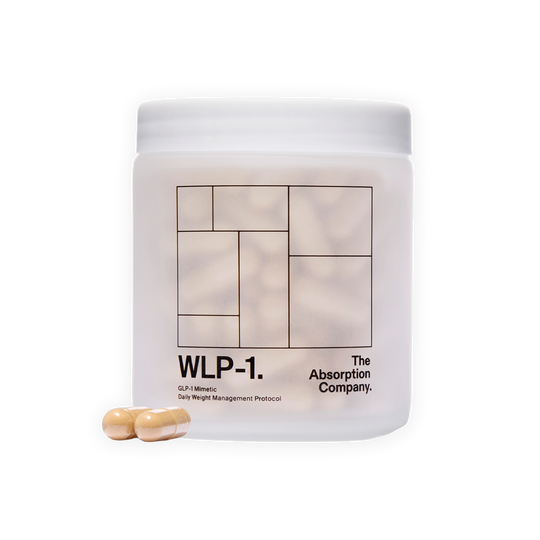
Natural GLP-1 activity sits at the center of the blood sugar response described above, and that same pathway is the target for WLP-1™. Formulated by The Absorption Company, WLP-1™ is an orally bioavailable GLP-1 biomimetic built to work with the body's own signaling rather than override it. WLP-1™'s key ingredients, including IGOB131® and CQR300®, are studied for their role in supporting natural GLP-1 activity, appetite regulation, and steadier eating patterns, without needles or harsh stimulants.


How Much Can GLP-1 Medications Lower HbA1c?

Clinical trials in people with Type 2 Diabetes have reported HbA1c reductions of around 1 percentage point or more with some GLP-1 medications, though the size of the change varies by medication, dose, starting HbA1c, and individual response. One Semaglutide trial reported average reductions of 1.1 to 1.4 percentage points, a reminder that progress is better viewed as a personal trend than a number everyone should expect to reach. 

In conversations about metabolic health HbA1c can be a useful indicator because it shows how well blood sugar has been managed over the previous two to three months. Still, it’s only one part of the picture, and a healthcare professional may also consider fasting glucose, body weight, blood pressure, lipid levels, and individual treatment goals.

Soak It All In

Sign up for wellness tips, the latest in supplement science, and first access to new products.

What Factors Affect Your HbA1c Response To GLP-1 Therapy?

The size and speed of an HbA1c change can depend on several factors, from where blood sugar starts to how the body responds to treatment.


Starting HbA1c Level

People who begin treatment with a higher HbA1c often have more room for their levels to decrease. Someone already closer to their target, for example a person starting near 6.5%, may see a smaller drop even when glucose control is moving in a positive direction. 


Insulin Sensitivity

Insulin resistance makes it harder for cells to respond to insulin and take glucose out of the bloodstream, which can influence the GLP-1 insulin response during treatment. Discussions around GLP-1 Insulin Resistance often focus on this relationship because improving glucose control depends partly on how effectively the body responds to insulin.


Medication, Dose, And Treatment Duration

The specific GLP-1 medication, dose, and length of treatment can all affect how much HbA1c changes. Since HbA1c reflects blood sugar over roughly two to three months, improvements build into the measurement gradually, so a dose adjustment at month one may not show its full effect until month three or four. 


Diet And Physical Activity

Meals influence how much glucose enters the bloodstream, while physical activity helps muscles use glucose for energy and can improve insulin sensitivity. Small, consistent habits, like a short walk after dinner or swapping refined carbohydrates for fiber-rich options, can support blood sugar management alongside GLP-1 therapy even when day-to-day progress does not feel dramatic. 

Final Thoughts

GLP-1 and A1C are closely linked, and HbA1c trends can offer a useful window into how blood sugar control is progressing during therapy. Regular HbA1c monitoring, paired with consistent nutrition and physical activity, supports a fuller picture of long-term metabolic progress. Pairing those trends with other health markers helps guide informed conversations about continuing or adjusting GLP-1 treatment. 


Frequently Asked Questions About GLP-1 HbA1c Levels

Is HbA1c the only test needed while taking GLP-1 medications?

No, healthcare professionals may monitor other measures such as blood glucose, kidney function, body weight, and additional health markers depending on the person.


Can GLP-1 medications affect HbA1c in people without Diabetes?

GLP-1 medications can influence blood glucose in people without Diabetes, but HbA1c changes may be smaller when levels already fall within a healthy range.


Can HbA1c increase after stopping a GLP-1 medication?

HbA1c may rise after GLP-1 therapy is discontinued if blood sugar control worsens, although individual responses vary.


Can GLP-1 medications replace insulin for Diabetes?

GLP-1 medications can reduce insulin needs for some people with Type 2 Diabetes, but they are not a universal replacement for prescribed insulin.


Does a normal HbA1c mean GLP-1 therapy should be stopped?

A normal HbA1c alone does not determine when treatment ends, so changes to GLP-1 therapy should be discussed with a healthcare professional.


Can GLP-1 medications affect fasting glucose differently from HbA1c?

Yes, fasting glucose reflects blood sugar at a specific point in time, so it can change differently from HbA1c.


Disclaimer:

The information provided in this article is for general informational and educational purposes only and is not a substitute for professional medical advice, diagnosis, or treatment. Always seek the guidance of your physician or other qualified health provider with any questions you may have regarding your health or a medical condition. Never disregard or delay seeking professional medical advice because of something you have read here.

FDA Disclaimer:

These statements have not been evaluated by the Food and Drug Administration. The products are not intended to diagnose, treat, cure, or prevent any disease.


Sources:

  1. Alhowiti, A., & Mirghani, H. (2025). The effects of GLP-1 agonists on HbA1c and insulin dose among patients with type 1 diabetes. Frontiers in endocrinology, 16, 1550938. https://doi.org/10.3389/fendo.2025.1550938
  2. Cherney, D. Z. I., Hadjadj, S., Lawson, J., Mosenzon, O., Tuttle, K., Vrhnjak, B., Rasmussen, S., & Bain, S. C. (2022). Hemoglobin A1c Reduction With the GLP-1 Receptor Agonist Semaglutide Is Independent of Baseline eGFR: post hoc Analysis of the SUSTAIN and PIONEER Programs. Kidney international reports, 7(11), 2345–2355. https://doi.org/10.1016/j.ekir.2022.07.167  

Don’t Miss These

Works well with SELF-CARE

WLP-1™: Oral GLP-1 Support WLP-1™: Oral GLP-1 Support
WLP-1™: Oral GLP-1 Support
Burn More Calories at Rest & Control Appetite
$69.00/mo $99.00*

Strikethrough price refers to one time purchase

GLP-1 Nutrient Support Stack GLP-1 Nutrient Support Stack
GLP-1 Nutrient Support Stack
Replenish Nutrients, Hydration & Bone Support
$99.00 $99.00

Share

Related Products

WLP-1™: Oral GLP-1 Support
Burn More Calories at Rest & Control Appetite
$69.00/mo $99.00*

Strikethrough price refers to one time purchase

GLP-1 Nutrient Support Stack
Replenish Nutrients, Hydration & Bone Support
$69.30 $99.00*

Strikethrough price refers to one time purchase

Featured Posts

Leave a comment

Please note, comments must be approved before they are published.

This site is protected by hCaptcha and the hCaptcha Privacy Policy and Terms of Service apply.