The Absorption Company
Skip to main content
Main Menu
Shop Learn Best Sellers Stack & Save35% Off
0

Fat quality shapes GLP-1 more than quantity. Here's how dietary fat affects appetite hormones, what the research says, and where absorption fits in.

780 clinicians share The Absorption Company on FrontrowMD without compensation.
Learn more.

Key Takeaways:

  • Fat Type May Matter More Than Fat Amount: The kind of fat eaten appears to shape GLP-1 activity as much as how much fat is consumed overall.
  • Absorption Still Drives Results: Even well-chosen dietary fats and supporting nutrients depend on how efficiently the body actually absorbs them.
  • Balance Beats Extremes: A high fat diet paired with fiber, protein, and steady daily habits tends to support more consistent appetite hormone activity than fat alone.


A high fat breakfast can feel satisfying for hours, while a lighter, low fat one leaves some people reaching for a snack before lunch even arrives. That difference has plenty of people asking whether a high fat diet genuinely changes GLP-1 levels, or whether it only feels that way in the moment.

The Absorption Company looks at questions like this through the lens of nutrient absorption. How efficiently the body processes fat and other nutrients plays a direct role in hormone signaling, and that relationship changes how we think about dietary choices.

This piece examines how dietary fat and GLP-1 interact, what high fat diet GLP-1 research actually suggests, and where absorption fits into the bigger picture.

image_ratios_17_1

SEE THE COLLECTION

Why Dietary Fat And GLP-1 Are Closely Linked

Fat is one of the strongest natural triggers for GLP-1 release, though the relationship is more nuanced than a simple more-fat-equals-more-hormone equation. 


Fat Slows Digestion And Triggers Hormone Release

When fat reaches the small intestine, it signals specialized cells to release GLP-1, which helps slow gastric emptying and extend the feeling of fullness after a meal. This is part of why a fattier meal often feels more satisfying than a low fat one of the same size, even hours later. 

Therefore, someone who has eaten a handful of almonds and stayed full long after has experienced this signal at work. The longer food stays in the digestive tract, the more sustained that fullness tends to be. 


The Type Of Fat May Change The Response

Unsaturated fats from sources like olive oil, avocado, and fatty fish appear to yield a healthier GLP-1 response compared with diets built around heavily processed or refined fats. Two people eating the same total fat grams can end up with different hormone signals depending on where those grams come from. A meal centered on salmon and walnuts behaves very differently in the body than one built around refined oils and processed snack foods, even when the total calorie count looks the same. 

Soak It All In

Sign up for wellness tips, the latest in supplement science, and first access to new products.

How Fat Intake Shapes Appetite Hormones

A single fatty meal and a long-term pattern of high fat eating do not affect the body in quite the same way. In the short term, dietary fat tends to bolster fullness and produce a steadier GLP-1 release after eating. This distinction sits at the center of fat intake appetite hormones research, since short-term satiety and long-term hormone sensitivity do not always move in the same direction. 

Over time, consistently high fat intake paired with excess calories may dull how well the body responds to its own appetite signals, which can make hunger and fullness cues feel less reliable for some people. For a closer look at how GLP-1 functions when diet alone is not quite enough, Introducing WLP-1 Natural Oral GLP-1 Support breaks down one option many people are exploring.


What Research Says About High Fat Diet Metabolism

Research on high fat diet metabolism points to fat quality, meal timing, and overall calorie balance as bigger factors than fat percentage alone. Eating patterns built around healthy fats, fiber, and protein tend to produce steadier blood sugar and appetite hormone activity than diets heavy in refined carbohydrates and low-quality fats combined. For example, berberine has been studied for its role in blood sugar regulation and may complement a more fat-conscious eating pattern for people focused on metabolic health. 


Why GLP-1 Response Still Depends On Absorption

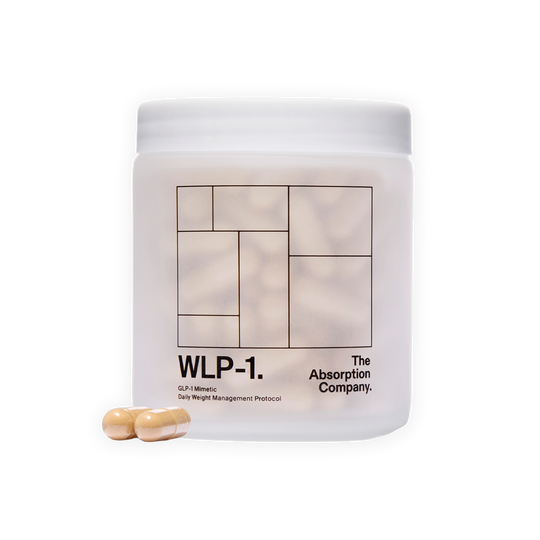
Diet choices are only part of the equation. Nutrient absorption determines how much of any ingredient actually reaches the bloodstream and does its job. WLP-1, an orally bioavailable formula from The Absorption Company, was built around this exact absorption problem, pairing its ingredients with nanoparticle delivery technology shown to help more of each compound reach the bloodstream rather than passing through unused. 

Also, The GLP-1 Nutrient Support Stack pairs several targeted ingredients for people who want broader nutritional coverage alongside these daily habit changes. Anyone curious about what early use tends to feel like can read What WLP-1 Feels Like First 72 Hours for a closer look at the first few days.

Final Thoughts

A high fat diet does not lower GLP-1 in a simple, one-size-fits-all way. Fat quality, portion size, and overall eating patterns all shape how the hormone responds, and consistently high fat intake without balance may work against steady appetite signaling over time. Pairing quality fat choices with fiber, protein, and nutrients the body can actually absorb tends to produce steadier results than focusing on fat alone. 


Frequently Asked Questions About High Fat Diet GLP-1

Does saturated fat affect GLP-1 differently than unsaturated fat?

Unsaturated fats appear to support a healthier GLP-1 response, while diets heavy in saturated or highly processed fats may not offer the same benefit.


Can a high fat diet affect weight management over time?

Consistently high calorie intake, whether from fat or other sources, may affect weight management, though individual habits and activity levels also play a role.


Is a ketogenic diet the same as a high fat diet?

A ketogenic diet is a specific, very low carbohydrate version of a high fat diet, though not every high fat eating pattern is ketogenic.


Does fiber help balance a high fat meal?

Fiber can slow digestion and support fullness alongside fat, which may help create a steadier GLP-1 response after eating.


Can meal timing influence GLP-1 response?

Meal timing and consistency may influence how the body releases and responds to GLP-1, though individual results can vary.


Does exercise change how the body responds to dietary fat?

Regular physical activity may support healthier metabolic function overall, which can complement the effects of a balanced, fat-conscious diet.


Disclaimer:

The information provided in this article is for general informational and educational purposes only and is not a substitute for professional medical advice, diagnosis, or treatment. Always seek the guidance of your physician or other qualified health provider with any questions you may have regarding your health or a medical condition. Never disregard or delay seeking professional medical advice because of something you have read here.

FDA Disclaimer:

These statements have not been evaluated by the Food and Drug Administration. The products are not intended to diagnose, treat, cure, or prevent any disease.


Sources:

  1. Mul, J. D., Begg, D. P., Barrera, J. G., Li, B., Matter, E. K., D'Alessio, D. A., Woods, S. C., Seeley, R. J., & Sandoval, D. A. (2013). High-fat diet changes the temporal profile of GLP-1 receptor-mediated hypophagia in rats. American journal of physiology. Regulatory, integrative and comparative physiology, 305(1), R68–R77. https://doi.org/10.1152/ajpregu.00588.2012
  2. Wang, F., Yoder, S. M., Yang, Q., Kohan, A. B., Kindel, T. L., Wang, J., & Tso, P. (2015). Chronic high-fat feeding increases GIP and GLP-1 secretion without altering body weight. American journal of physiology. Gastrointestinal and liver physiology, 309(10), G807–G815. https://doi.org/10.1152/ajpgi.00351.2013

Don’t Miss These

Works well with SELF-CARE

Share

Related Products

Featured Posts

Leave a comment

Please note, comments must be approved before they are published.

This site is protected by hCaptcha and the hCaptcha Privacy Policy and Terms of Service apply.