SELF-CARE
How To Increase GLP-1 Naturally Without Medication?
Learn how to increase GLP-1 naturally with simple nutrition, exercise, and lifestyle strategies from The Absorption Company. Read more today.
By Dr. John Doe
John Doe, PhD, is a clinical researcher specializing in recovery science.
Learn how to increase GLP-1 naturally with simple nutrition, exercise, and lifestyle strategies from The Absorption Company. Read more today.
780 clinicians
share The Absorption Company on FrontrowMD without compensation.
Learn more.
Key Takeaways:
- GLP-1 Helps Regulate Appetite: GLP-1 is a naturally occurring hormone that helps communicate fullness signals between the gut and brain.
- Daily Choices Influence GLP-1 Activity: Nutrition, lifestyle habits, and regular physical activity can help support healthy GLP-1 function over time.
- Supplement Quality and Absorption Matter: The benefits of nutrients depend not only on what you take but also on how effectively your body absorbs and utilizes them.
Feeling hungry soon after eating can be frustrating. Learning how to increase GLP-1 naturally may help support fullness, appetite control, and healthy blood sugar levels. This page, put together by The Absorption Company, covers the foods, daily habits, exercise approaches, and supplements that may help support healthy GLP-1 activity over time.
This piece will explore the foods, habits, exercise strategies, and supplements that may naturally support healthy GLP-1 levels.
What Is GLP-1?
GLP-1 is a hormone the body naturally releases after eating. Acting as a messenger, this hormone signals the brain that food has been consumed while also helping regulate blood sugar levels. GLP-1 plays a central role in natural appetite control, coordinating the ongoing conversation between the gut and brain throughout the day. When GLP-1 function is healthy, staying satisfied between meals and making balanced food choices come more naturally.
SEE THE COLLECTION
Eat Foods That Naturally Stimulate GLP-1
Certain foods can help increase GLP-1 naturally by encouraging your gut to release more of this appetite-regulating hormone after meals.
Prioritize Protein For Satiety
Protein for satiety works by triggering hormones that signal satisfaction to the brain, helping you stay fuller longer between meals. High-protein options like eggs, Greek yogurt, chicken, legumes, and wild-caught fish are practical everyday choices that can make a difference in how hunger patterns unfold.
Fill Your Plate With High-Fiber Foods
High-fiber foods slow digestion and help create a steady stream of fullness signals that may support healthy GLP-1 activity. Oats, lentils, black beans, leafy greens, chia seeds, and raspberries are strong daily sources, and adding two or three of these into regular meals can shift hunger and fullness patterns.
Include Healthy Fats And Fullness
Healthy fats and fullness often go hand in hand because fats take longer to digest and extend feelings of satisfaction after eating. Avocados, extra virgin olive oil, walnuts, flaxseeds, and wild-caught salmon are reliable sources, all of which can be worked into everyday meals.
Supplements That May Aid in Metabolic Health
Berberine is one of the more researched plant compounds in this space. The Absorption Company's Berberine formula uses FenuMat technology to deliver 6.2x higher bioavailability than standard berberine, meaning more of the active compound actually reaches circulation rather than passing through the digestive tract unabsorbed.
For anyone researching supplements in this category, formulation quality and absorption rate are what separate a product that delivers results from one that falls flat.
Build Habits That Support Higher GLP-1 Levels
Daily habits can influence how effectively your body produces and responds to hormones involved in appetite regulation and lifestyle weight loss support.
- Slow Down At Mealtime: Eating more slowly gives your body time to recognize fullness signals before you reach the point of overeating.
- Prioritize Quality Sleep: A consistent sleep routine helps support the hormones that influence hunger, cravings, and satisfaction.
- Manage Everyday Stress: Chronic stress can make it harder for your body to maintain healthy appetite signals throughout the day.
- Stay Consistent With Healthy Routines: Simple habits practiced regularly often have a greater impact on long-term health than occasional bursts of effort.
Exercise Strategies That Enhance GLP-1 Response
Physical activity can support exercise and gut hormones by encouraging healthy communication between your muscles, digestive system, and brain.
- Include Strength Training: Building muscle can support metabolic health and improve the way your body handles nutrients and energy.
- Add Moderate-Intensity Cardio: Activities like brisk walking, cycling, or jogging can help support healthy appetite regulation and blood sugar balance.
- Stay Active Throughout the Day: Small bursts of movement between workouts can contribute to better overall metabolic function and hormone signaling.
Can Supplements Help Increase GLP-1 Naturally?
Supplements may help support healthy GLP-1 activity by delivering nutrients and plant compounds that work alongside a balanced diet, regular movement, and consistent lifestyle habits. Introducing WLP-1 Natural Oral GLP-1 Support covers how specific ingredients are being used to support appetite regulation and metabolic health. The Best Natural Alternative to Ozempic offers a broader perspective on how lifestyle approaches and high-absorption supplements compare to pharmaceutical options.
For those already using a targeted formula, What to Stack With WLP-1 to Get Even Better Results outlines how combining supplements with consistent daily habits can produce more comprehensive metabolic support.
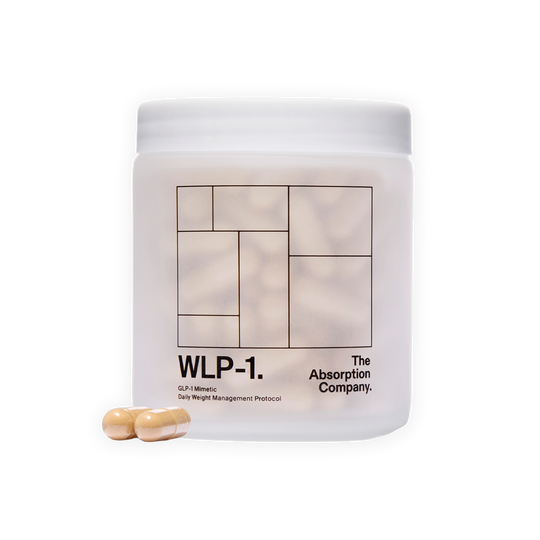
WLP-1™: Oral GLP-1 Support
Oral GLP-1 biomimetic powered by our Body Ready® tripeptide complex, targeting three metabolic pathways to reduce cravings, boost calorie burn, and support healthy weight management.* Clinically studied ingredients shown to support ~9 lbs of weight reduction in 4 weeks and up to 12% body weight in a 10-week clinical trial.*
Final Thoughts
Increasing GLP-1 naturally starts with consistent choices that support your body’s appetite and metabolic functions, including a nutrient-dense diet, regular movement, quality sleep, and stress management. When paired with targeted nutritional support, these habits can help promote fullness, balanced blood sugar levels, and long-term wellness goals.
Frequently Asked Questions About How To Increase GLP-1 Naturally
Is GLP-1 only important for weight management?
GLP-1 is also involved in blood sugar regulation and digestive function. Its benefits extend beyond appetite and body weight.
Can gut health influence GLP-1 production?
The gut is responsible for producing GLP-1, so overall digestive health can play a role in how this hormone functions. A healthy gut environment supports many aspects of metabolic wellness.
Are GLP-1 levels the same for everyone?
GLP-1 activity can vary from person to person due to genetics, lifestyle factors, and overall health status. Individual responses to dietary and lifestyle changes may differ as well.
How quickly can natural GLP-1 support strategies work?
The timeline varies depending on the individual and the habits being implemented. Consistency is often more important than expecting immediate results.
Can blood sugar fluctuations affect GLP-1 activity?
Blood sugar and GLP-1 work closely together as part of the body's metabolic regulation system. Maintaining stable blood sugar levels may support healthy hormone signaling.
Is GLP-1 connected to digestive comfort?
GLP-1 helps influence the rate at which food moves through the digestive tract. This process can contribute to feelings of fullness after meals.
Disclaimer:
The information provided in this article is for general informational and educational purposes only and is not a substitute for professional medical advice, diagnosis, or treatment. Always seek the guidance of your physician or other qualified health provider with any questions you may have regarding your health or a medical condition. Never disregard or delay seeking professional medical advice because of something you have read here.
FDA Disclaimer:
These statements have not been evaluated by the Food and Drug Administration. The products are not intended to diagnose, treat, cure, or prevent any disease.
Sources:
- Simmons, A. (2025, February 12). Does berberine really help with weight loss? Ohio State Health & Discovery. https://health.osu.edu/wellness/exercise-and-nutrition/berberine-weight-loss
- Semeco, A. (2026, January 19). 10 natural appetite suppressants that may help you lose weight. Healthline. https://www.healthline.com/nutrition/10-natural-appetite-suppressants
Don’t Miss These
Works well with SELF-CARE
WLP-1™: Oral GLP-1 Support
Burn More Calories at Rest & Control Appetite
Strikethrough price refers to one time purchase
GLP-1 Nutrient Support Stack
Replenish Nutrients, Hydration & Bone Support
Ultimate Weight Management Stack
Full-Spectrum Weight Management Support
Strikethrough price refers to one time purchase
Related Products
WLP-1™: Oral GLP-1 Support
Burn More Calories at Rest & Control Appetite
Strikethrough price refers to one time purchase
GLP-1 Nutrient Support Stack
Replenish Nutrients, Hydration & Bone Support
Strikethrough price refers to one time purchase
Ultimate Weight Management Stack
Full-Spectrum Weight Management Support
Strikethrough price refers to one time purchase
Featured Posts