The Absorption Company
Skip to main content
Main Menu
Shop Learn JUST LAUNCHED: HAIR →
0

Learn what research says about Ozempic and gallbladder health, risk factors, symptoms to watch for, and practical guidance for informed treatment decisions.

780 clinicians share The Absorption Company on FrontrowMD without compensation.
Learn more.

Key Takeaways:

  • Research: Current evidence suggests gallbladder complications are uncommon and individual risk depends on several health and treatment-related factors.
  • Symptoms: Persistent upper abdominal pain, fever, vomiting, or yellowing of the skin should prompt timely medical evaluation.
  • Nutrition: Maintaining hydration and supporting nutrient intake remain important during treatment, especially when appetite is reduced.


Gallbladder pain can be alarming, especially when it appears during treatment that is improving blood sugar or supporting weight management.

GLP-1 medications have transformed care for many people, but they have also prompted important questions about digestive and gallbladder health. Most people use these medications without developing serious complications, yet research suggests that some biliary conditions may occur more frequently in certain individuals. Knowing what the evidence shows, where uncertainty remains, and which symptoms deserve prompt medical attention can help you make informed decisions with your healthcare provider.

At The Absorption Company, we believe people deserve clear, evidence-based information they can trust. We are committed to explaining complex health topics in straightforward language while helping you understand the role nutrition, absorption, and recovery can play throughout your wellness journey.

This article reviews the current research on gallbladder health during GLP-1 treatment, explains potential risk factors and warning signs, examines the current legal landscape, and discusses practical ways to support your overall well-being throughout treatment.

image_ratios_17_1

SEE THE COLLECTION

What The Research Shows About GLP-1 Treatment And Gallbladder Health

GLP-1 therapies affect more than appetite and blood sugar regulation. Understanding the current evidence helps place potential gallbladder risks into context while separating established findings from ongoing research:


Ozempic Gallbladder

Changes in bile movement and gallbladder emptying are considered one possible explanation for the higher rate of biliary events reported in some clinical studies. The overall likelihood remains relatively low, but individual risk varies based on personal health factors.


Can Ozempic Cause Gallbladder Problems

Current evidence suggests the association is influenced by multiple factors rather than medication exposure alone. Greater weight reduction, longer treatment duration, and pre-existing risk factors may all contribute to the overall likelihood of gallbladder complications.


How Gallbladder Complications May Develop During Treatment

Gallstones can develop when bile remains in the gallbladder for longer periods or when its composition changes. Rapid weight loss may also increase the likelihood of gallstone formation, which is why healthcare providers often monitor people with additional risk factors during treatment. Research suggests that medication effects and the pace of weight loss may both play a role, making it important to consider each person's overall health profile. People experiencing persistent upper abdominal pain, fever, or yellowing of the skin should seek prompt medical evaluation. For individuals also managing digestive discomfort, resources such as Ozempic Constipation may provide helpful information on another commonly discussed gastrointestinal concern. Understanding these factors helps place potential gallbladder complications into context rather than assuming they occur in everyone using GLP-1 therapy.

Soak It All In

Sign up for wellness tips, the latest in supplement science, and first access to new products.

Ozempic And Gallbladder Issues

Not everyone who develops digestive symptoms while taking a GLP-1 medication is experiencing a gallbladder problem . Nausea, reduced appetite, and temporary stomach discomfort are relatively common early in treatment, while gallbladder conditions often involve persistent pain in the upper right abdomen, especially after eating fatty foods, and may be accompanied by fever or yellowing of the skin. Recognizing these differences can help guide appropriate medical evaluation instead of assuming every symptom has the same cause. People looking for information about managing common gastrointestinal side effects may also find Ozempic Nausea Relief helpful while discussing ongoing symptoms with their healthcare provider. Prompt assessment is important whenever symptoms become severe, persistent, or are accompanied by signs of infection.


How The Absorption Company Supports Your Wellness Journey

Good nutrition remains important during GLP-1 treatment, particularly when reduced appetite makes it harder to consistently meet daily nutrient needs. Choosing supplements that are designed for better absorption can help maximize the value of the nutrients you do consume, since your body must absorb nutrients before it can use them.

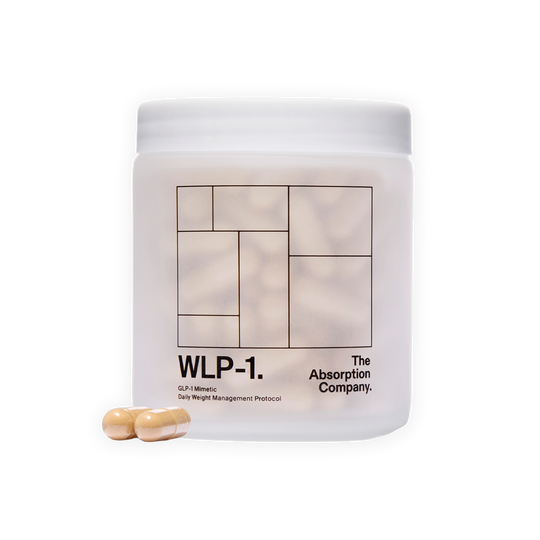
  • WLP-1™ - A first-of-its-kind orally bioavailable GLP-1 biomimetic formulated to support natural appetite signaling, GLP-1 activity, and thermogenesis through multiple clinically studied pathways.
  • Restore - Supports hydration, immune function, and energy metabolism with a science-backed formulation focused on increased nutrient absorption.
  • Calm - Provides highly bioavailable ingredients that support relaxation, stress response, and overall nervous system health.

Selecting high-quality supplements with a strong focus on bioavailability can be a practical way to support your wellness goals while following the guidance of your healthcare provider.


Ozempic Gallbladder Lawsuit

Lawsuits involving GLP-1 medications generally focus on allegations that some individuals were not adequately warned about potential gallbladder or gastrointestinal complications. The act of filing a lawsuit does not establish that a medication caused a specific injury, and each case depends on its individual facts, medical history, available evidence, and the applicable legal standards. Ongoing litigation continues to develop, making it important to distinguish legal claims from scientific findings while relying on healthcare professionals for medical guidance instead of court filings. Anyone experiencing symptoms that may indicate a serious medical condition should seek prompt evaluation and discuss appropriate next steps with their healthcare provider.

Final Thoughts

Gallbladder complications are a recognized but relatively uncommon consideration with GLP-1 treatment, and current evidence suggests that individual risk depends on multiple factors rather than on the medication alone. Knowing the potential warning signs, staying in close communication with your healthcare provider, and seeking a prompt evaluation from a professional concerning any symptoms developed over time can help support safe treatment decisions.

Maintaining good nutrition throughout treatment is equally important, particularly if reduced appetite makes it more difficult to meet your daily nutrient needs. Choosing supplements formulated for improved absorption can help you get more benefit from the nutrients you take, supporting your overall wellness as you and your healthcare provider determine the approach that is right for your individual health needs.


Frequently Asked Questions About Ozempic And Your Gallbladder: What The Research Says

Can gallbladder symptoms begin soon after starting treatment?

Yes. Symptoms may appear early or later during treatment. The timing varies from person to person and may depend on changes in weight, diet, and underlying health.


What symptoms should never be ignored?

Severe pain in the upper right abdomen, fever, chills, persistent vomiting, or yellowing of the skin or eyes should be evaluated by a healthcare professional as soon as possible.


Can lifestyle habits help support gallbladder health?

Yes. Staying hydrated, eating balanced meals, maintaining gradual weight changes, and following your healthcare provider's recommendations may help support normal gallbladder function.


Should treatment be stopped if digestive symptoms develop?

No. Do not stop a prescribed medication without speaking to your healthcare provider first. They can determine whether your symptoms require evaluation or changes to your treatment plan.


Can dehydration make digestive symptoms feel worse?

Yes. Inadequate fluid intake may worsen constipation and other gastrointestinal discomfort, making hydration an important part of overall digestive health.


Are regular medical checkups important during treatment?

Yes. Routine follow-up appointments allow your healthcare provider to monitor your progress, discuss new symptoms, and adjust your care plan if needed.


Does losing weight quickly affect the gallbladder?

Yes. Rapid weight loss has long been recognized as a factor that can increase the likelihood of gallstone formation in some people, regardless of the method used to lose weight.


Is nutrition still important when appetite decreases?

Yes. Even when eating less, meeting your body's nutrient needs remains important. Choosing foods and supplements that support nutrient availability may help maintain overall wellness.


Disclaimer:

The information provided in this article is for general informational and educational purposes only and is not a substitute for professional medical advice, diagnosis, or treatment. Always seek the guidance of your physician or other qualified health provider with any questions you may have regarding your health or a medical condition. Never disregard or delay seeking professional medical advice because of something you have read here.

FDA Disclaimer:

These statements have not been evaluated by the Food and Drug Administration. The products are not intended to diagnose, treat, cure, or prevent any disease.


Sources:

  1. He, L., Wang, J., Ping, F., Yang, N., Huang, J., Li, Y., Xu, L., Li, W., & Zhang, H. (2022). Association of glucagon-like peptide-1 receptor agonist use with risk of gallbladder and biliary diseases: A systematic review and meta-analysis of randomized clinical trials. JAMA Internal Medicine, 182(5), 513–519. https://doi.org/10.1001/jamainternmed.2022.0338
  2. Niu, C., Sun, K., Zhang, J., et al. (2026). Gastrointestinal and hepatobiliary safety of glucagon-like peptide-1 receptor agonists in patients with type 2 diabetes. The American Journal of Gastroenterology, 121(7), 1762–1771. https://doi.org/10.14309/ajg.0000000000003760

Don’t Miss These

Works well with SELF-CARE

WLP-1™: Oral GLP-1 Support WLP-1™: Oral GLP-1 Support
WLP-1™: Oral GLP-1 Support
Burn More Calories at Rest & Control Appetite
$69.00/mo $99.00*

Strikethrough price refers to one time purchase

Restore Restore
Restore
Hydration, Immunity, & Detox
$67.00 $67.00
GLP-1 Nutrient Support Stack GLP-1 Nutrient Support Stack
GLP-1 Nutrient Support Stack
Replenish Nutrients, Hydration & Bone Support
$99.00 $99.00

Share

Related Products

WLP-1™: Oral GLP-1 Support
Burn More Calories at Rest & Control Appetite
$69.00/mo $99.00*

Strikethrough price refers to one time purchase

Restore
Restore
Hydration, Immunity, & Detox
$50.25 $67.00*

Strikethrough price refers to one time purchase

GLP-1 Nutrient Support Stack
Replenish Nutrients, Hydration & Bone Support
$69.30 $99.00*

Strikethrough price refers to one time purchase

Featured Posts

Leave a comment

Please note, comments must be approved before they are published.

This site is protected by hCaptcha and the hCaptcha Privacy Policy and Terms of Service apply.