SELF-CARE
Tirzepatide Long-Term Side Effects: What To Know Before You Start
Learn about the long-term side effects of tirzepatide, safety concerns, and what to avoid with practical guidance from The Absorption Company.
By Dr. John Doe
John Doe, PhD, is a clinical researcher specializing in recovery science.
Learn about the long-term side effects of tirzepatide, safety concerns, and what to avoid with practical guidance from The Absorption Company.
780 clinicians
share The Absorption Company on FrontrowMD without compensation.
Learn more.
Key Takeaways:
- Know the Risks: Tirzepatide can cause digestive symptoms and carries other potential risks that are important to understand before and during treatment.
- Protect Your Nutrition: Reduced appetite and food intake can make balanced nutrition, adequate protein, hydration, and appropriate nutrient intake especially important.
- Stay Proactive: Following your prescribed dose, reviewing medications and supplements, and reporting concerning symptoms can help you use tirzepatide more safely.
Tirzepatide can support weight management and blood sugar control, but taking it long term can raise important questions about digestive side effects, nutrition, and other health risks worth understanding before starting treatment.
At The Absorption Company, we make pharmaceutical-grade supplements scientifically formulated for increased absorption, helping address a common problem with supplements so the body can get more benefit from the nutrients being taken.
In this piece, we’ll discuss the potential long-term side effects of tirzepatide, what to avoid during treatment, ways to support your health, and warning signs that may require medical attention.
SEE THE COLLECTION
What Are The Long-Term Side Effects Of Tirzepatide?
Understanding the long-term side effects of tirzepatide can help you know which changes may be expected during treatment and which ones deserve a conversation with your healthcare provider.
Digestive Issues
Nausea, diarrhea, constipation, vomiting, and stomach discomfort are among the most common side effects of tirzepatide, particularly while your body adjusts to the medication. For some people, digestive symptoms may persist during treatment, making it harder to eat balanced meals or stay properly hydrated.
Gallbladder Problems
Tirzepatide has been associated with gallbladder problems, including gallstones and inflammation of the gallbladder, with rapid or substantial weight loss potentially adding to that risk (U.S. Food and Drug Administration, 2026). Persistent upper abdominal pain, fever, or yellowing of the skin or eyes should be evaluated promptly by a healthcare professional.
Pancreatitis
Acute pancreatitis, or inflammation of the pancreas, has been reported in people treated with tirzepatide and can become serious, including rare fatal cases (U.S. Food and Drug Administration, 2026). Severe abdominal pain that does not go away, especially if it travels to the back or occurs with vomiting, requires immediate medical attention.
Kidney Problems
Vomiting, diarrhea, and nausea can lead to dehydration, which may contribute to acute kidney injury or worsen existing kidney problems. Drinking enough fluids and contacting your healthcare provider if digestive symptoms become persistent or severe can help reduce dehydration-related complications.
How Tirzepatide Can Affect Your Body Over Time
Tirzepatide changes the way your body responds to hunger and food by acting on GIP and GLP-1 receptors, which can help you feel full sooner and stay satisfied longer. Over time, that can mean eating significantly less, so getting enough protein, vitamins, minerals, fluids, and overall calories may require more attention than it did before treatment.
Weight loss can also include some loss of lean muscle: in the pivotal SURMOUNT-1 trial, roughly a quarter of the weight tirzepatide users lost was lean mass rather than fat (Diabetes, Obesity and Metabolism, 2025), especially when calorie intake drops without enough protein or resistance training. Think of muscle as tissue worth protecting as your body gets lighter, which is why balanced nutrition, strength training, and provider guidance matter here.
What To Avoid While Taking Tirzepatide
Reducing the risk of tirzepatide long-term side effects also means paying attention to everyday habits, medications, and foods that could make treatment harder on your body.
- Heavy or high-fat meals: Large, greasy meals can be harder to tolerate because tirzepatide slows stomach emptying, potentially making nausea, bloating, or stomach discomfort feel worse.
- Drinking too much alcohol: Alcohol may worsen digestive symptoms and can affect blood sugar, so discuss what amount, if any, is appropriate with your healthcare provider.
- Not drinking enough fluids: Persistent nausea, vomiting, or diarrhea can leave you dehydrated, making regular fluid intake especially important during treatment.
- Skipping nutrition: A smaller appetite can make it tempting to barely eat, but your body still needs enough protein, vitamins, minerals, and calories to support muscle and overall health.
- Taking certain medications without guidance: Tirzepatide can affect the absorption of some oral medications and may increase the risk of low blood sugar when combined with insulin or sulfonylureas. Review your medications with your healthcare provider.
- Increasing your dose too quickly: Following the prescribed dose-escalation schedule gives your body time to adjust and may help reduce gastrointestinal symptoms.
How To Use Tirzepatide More Safely
Using tirzepatide safely starts with following your prescribed dosing schedule, staying hydrated, eating enough protein and nutrient-dense foods, and keeping your healthcare provider updated on any side effects, rather than pushing through symptoms that feel severe or persistent.
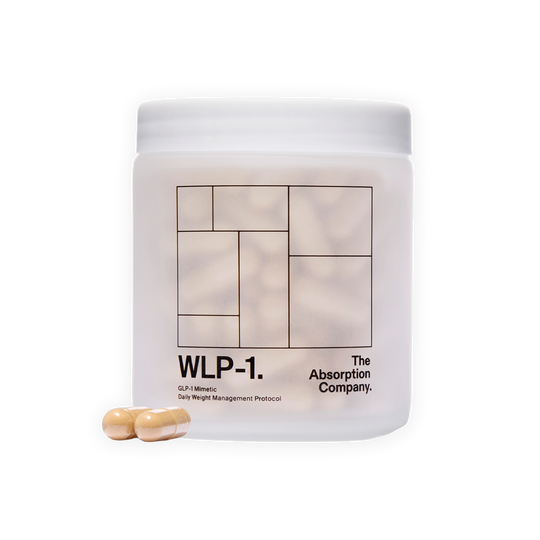
Since a reduced appetite can make it harder to consistently cover your nutritional bases, NEW WLP-1 Oral GLP-1 Support may complement a well-rounded nutrition routine, but supplements should never replace balanced meals, prescribed treatment, or guidance from your healthcare provider.
If you want to add other supplements to your routine, check out our What to Stack With WLP-1 guide before buying so you can better understand which options may complement your nutrition goals and what to consider before combining products.
Warning Signs You Shouldn’t Ignore
Most digestive symptoms may be manageable, but certain changes can signal a more serious problem that needs prompt medical attention.
- Severe abdominal pain: Intense or persistent stomach pain, particularly if it spreads to your back, can be a warning sign of pancreatitis and requires immediate medical attention.
- Persistent vomiting or diarrhea: Ongoing vomiting or diarrhea can cause significant dehydration and potentially contribute to kidney problems.
- A neck lump or swelling: A new lump or swelling in the neck, persistent hoarseness, difficulty swallowing, or shortness of breath should be reported to your healthcare provider.
- Severe allergic reactions: Swelling of the face, lips, tongue, or throat, trouble breathing, severe rash, or fainting requires emergency medical care.
- Symptoms of low blood sugar: Shakiness, sweating, dizziness, confusion, weakness, or a rapid heartbeat can signal hypoglycemia, particularly when tirzepatide is used with insulin or certain diabetes medications.
WLP-1™: Oral GLP-1 Support
Oral GLP-1 biomimetic powered by our Body Ready® tripeptide complex, targeting three metabolic pathways to reduce cravings, boost calorie burn, and support healthy weight management.* Clinically studied ingredients shown to support ~9 lbs of weight reduction in 4 weeks and up to 12% body weight in a 10-week clinical trial.*
Final Thoughts
Understanding tirzepatide's long-term side effects can help you make informed decisions and recognize changes that may need medical attention. Staying consistent with balanced nutrition, hydration, healthy habits, and guidance from your healthcare provider can support your overall health while taking tirzepatide.
Frequently Asked Questions About Tirzepatide Long-Term Side Effects
Does Tirzepatide Stop Working Over Time?
Tirzepatide may continue supporting weight and blood sugar goals with ongoing use, although individual results and responses can change over time.
Do You Have to Take Tirzepatide Forever?
Not necessarily, but stopping treatment may affect weight or blood sugar management, so the decision should be made with your healthcare provider.
What Happens to Appetite After Stopping Tirzepatide?
Appetite may increase after tirzepatide is discontinued because the medication’s effects on hunger and fullness gradually wear off.
Can Weight Come Back After Stopping Tirzepatide?
Weight regain can occur after stopping tirzepatide, particularly without sustainable nutrition, activity, and weight-management strategies in place.
Can Tirzepatide Change Food Preferences?
Some people report changes in appetite or interest in certain foods while taking tirzepatide, although individual experiences vary.
Is Long-Term Tirzepatide Use Still Being Studied?
Yes, researchers continue to study tirzepatide to better understand its effectiveness, safety, and health outcomes with extended use.
How Often Should Tirzepatide Treatment Be Reviewed?
Regular follow-ups allow your healthcare provider to assess your response, health goals, medications, and whether continuing tirzepatide remains appropriate.
Can Tirzepatide Affect Your Metabolism Long Term?
Tirzepatide can influence metabolism through changes in blood sugar regulation, appetite, and body weight, but individual responses can vary over time.
Can Your Body Get Used to Tirzepatide Over Time?
Weight loss may slow or plateau during long-term treatment, but this does not necessarily mean your body has become resistant to tirzepatide.
Does Tirzepatide Affect Hormones Long Term?
Tirzepatide acts on the GIP and GLP-1 hormone pathways involved in appetite and blood sugar regulation, while its broader long-term hormonal effects continue to be studied.
Disclaimer:
The information provided in this article is for general informational and educational purposes only and is not a substitute for professional medical advice, diagnosis, or treatment. Always seek the guidance of your physician or other qualified health provider with any questions you may have regarding your health or a medical condition. Never disregard or delay seeking professional medical advice because of something you have read here.
FDA Disclaimer:
These statements have not been evaluated by the Food and Drug Administration. The products are not intended to diagnose, treat, cure, or prevent any disease.
Sources:
- Look, M., Dunn, J. P., Kushner, R. F., Cao, D., Harris, C., Hunter Gibble, T., Stefanski, A., & Griffin, R. (2025). Body composition changes during weight reduction with tirzepatide in the SURMOUNT-1 study of adults with obesity or overweight. Diabetes, Obesity and Metabolism, 27(5), 2720–2729. https://doi.org/10.1111/dom.16275
- U.S. Food and Drug Administration. (2026). Highlights of prescribing information: ZEPBOUND (tirzepatide) injection. https://www.accessdata.fda.gov/drugsatfda_docs/label/2026/217806s037lbl.pdf
Don’t Miss These
Works well with SELF-CARE
WLP-1™: Oral GLP-1 Support
Burn More Calories at Rest & Control Appetite
Strikethrough price refers to one time purchase
Related Products
WLP-1™: Oral GLP-1 Support
Burn More Calories at Rest & Control Appetite
Strikethrough price refers to one time purchase
Featured Posts