Ever stared at a wall of magnesium supplements and wondered which one actually delivers? Here’s the simple truth: magnesium glycinate is widely viewed as a top-tier option for bioavailability and gentle digestion, which makes it a strong fit for people using magnesium for stress support, sleep, or mood balance.
First, the bond does the heavy lifting. Magnesium glycinate pairs magnesium with glycine, an amino acid the body absorbs smoothly. Chelation helps magnesium pass through digestion with fewer gut side effects, which sets it apart from forms like oxide and citrate.
Beyond comfort, glycine brings its own calming influence. Research and clinical guidance often connect magnesium glycinate with relaxation and sleep support, partly because glycine contributes to nervous system quieting while magnesium supports GABA-related pathways.
Absorption remains the clincher—and here, the science is clear. A substantial body of research shows that organic, chelated forms of magnesium, such as magnesium glycinate, are significantly better absorbed than inorganic forms like magnesium oxide, allowing more magnesium to cross the intestinal wall and reach the bloodstream where it can deliver real benefits.
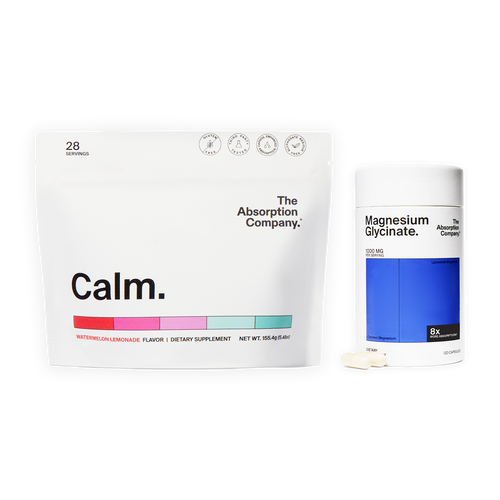
But we didn’t stop at “better.” Our formula was tested head-to-head against traditional magnesium glycinate and demonstrated dramatically improved absorption, setting a new benchmark for bioavailability. The result is the most bioavailable magnesium on the market—engineered for maximum uptake, gentle digestion, and enhanced nervous system support from glycine when calm, recovery, and performance truly matter.
Why Top Magnesium Glycinate Brands Can’t Compete With The Absorption Company
Plenty of magnesium glycinate products promise calm and better sleep, but the real difference comes down to how much magnesium actually makes it into your bloodstream. In controlled studies, standard magnesium oxide absorbs at just 4–8%, meaning more than 90% of the magnesium you ingest is never used by the body. Instead of supporting relaxation or sleep, it simply passes through your system—literally flushed down the toilet.
Magnesium glycinate absorbs far better than oxide and is widely recommended for anxiety and sleep because more magnesium can cross the intestinal wall and reach circulation. However, many conventional glycinate brands rely on basic chelation alone, which still leaves a meaningful portion of magnesium behind, limiting how much your body can actually access.
At The Absorption Company, our team pushes past that ceiling. Our dual-absorption approach pairs Chelamax® chelation with Capsoil® liposomal nanotechnology, shrinking nutrient particles and surrounding them with a protective lipid layer. That delivery system helps more magnesium move through digestion and into circulation. Internal lab testing reveals our formula reaches an extraordinary 64% absorption rate—a result that redefines what’s possible in magnesium supplementation. At this level of uptake, our technology doesn’t just outperform the market—it marks a revolutionary leap forward, turning magnesium from a largely wasted supplement into one the body can finally absorb and use at scale.
From there, purity seals the deal. Our magnesium is ultra-pure and mineral-rich, sourced from Dead Sea water and processed with pharmaceutical-inspired standards. That creates a two-part advantage for anxiety support: a cleaner magnesium input and a delivery system engineered to help your body use more of what you take.
How To Know If You’re Magnesium Deficient
Magnesium deficiency can be subtle at first, yet it leaves a pretty clear trail once you know what to look for. With a large share of adults falling short on daily magnesium needs, these signs are worth noting.
- Energy crashes that feel out of proportion: Magnesium supports cellular energy production, so low levels often show up as persistent fatigue, weakness, or midday slumps (University of Nebraska).
- Muscle cramps and spasms: Magnesium helps muscles relax after contraction. When magnesium runs low, cramps during workouts, leg spasms at night, or random eye twitches become more common.
- Restless sleep or trouble settling down: Magnesium plays a role in nervous system relaxation and sleep regulation. Low intake can make winding down harder and sleep feel lighter or more interrupted.
- Anxiety and irritability: Magnesium influences neurotransmitters tied to mood and stress response, so deficiency can amplify restlessness and emotional reactivity.
- Headaches or migraines that flare under stress: Low magnesium status has been associated with headaches and migraine patterns, likely due to magnesium’s role in brain signaling and blood vessel regulation.
- Heart flutters or an irregular rhythm: Magnesium helps regulate the heart’s electrical activity. Deficiencies can potentially cause palpitations or arrhythmias. If these symptoms are apparent, talk to your doctor and see if magnesium glycinate tablets are right for you.
- Tingling, numbness, or shaky hands: As deficiency progresses, nerve function can misfire, creating pins-and-needles sensations or tremor-like shakiness.
- Stress seems to hit harder and linger longer: Magnesium helps moderate cortisol and nervous system recovery. Low levels can leave the body more vulnerable to physical and emotional stress load.
Key Benefits of Magnesium Glycinate for Sleep, Mood, and Muscle Recovery
Magnesium glycinate blends two calm-friendly ingredients into one highly absorbable form: magnesium chelated to glycine. That pairing makes it gentle on digestion and easy for the body to use, which is why it shows up so often in routines built around stress relief, better sleep, and workout recovery.
Helps Ease Anxiety
Magnesium supports neurotransmitters and stress pathways that influence how the body reacts to pressure. When magnesium runs low, the nervous system can tilt toward overdrive, which often feels like restlessness or tension. Replenishing magnesium stores brings the system back toward steadiness, and the glycine pairing adds an extra calming layer that many people notice as a smoother mood and easier unwind time.
Supports Restorative Sleep
Magnesium plays a role in relaxation signaling and sleep quality. Magnesium glycinate fits nighttime routines well because glycine supports nervous system quieting, helping the body shift into rest mode instead of running mental laps at bedtime. Over time, consistent use is linked with falling asleep more easily and waking up feeling restored.
Eases Muscle Tension and Speeds Recovery
Workouts place real demands on muscles and nerves. Magnesium helps muscles contract and release properly, which supports smoother recovery and fewer cramps. Adequate magnesium intake is also tied to better exercise performance and lower soreness over time, making glycinate a smart pick for active routines that need reliable support.
Promotes Better Mood
Magnesium contributes to brain signaling tied to serotonin and dopamine pathways. Low magnesium status is associated with mood disruptions, while restoring levels supports emotional balance and day-to-day resilience. Magnesium glycinate is often chosen here because it combines strong absorption with calming benefits that fit daily life rather than feeling like a “sleep-only” supplement.
Supports Bone Strength, Blood Sugar, and Heart Health
Magnesium is a multitasker, and healthy intake supports bone mineral density and works alongside calcium and vitamin D for skeletal strength. It also helps signal insulin and glucose metabolism. Additionally, heart rhythm regulation relies on magnesium’s role in electrical signaling, adding another layer of quiet support that many people never feel directly, yet depend on daily.
Reduces PMS Discomfort
Magnesium has been associated with easing PMS-related discomfort, and glycinate keeps that support gentle for regular use. Magnesium also influences nerve signaling and inflammatory balance, which may help take the edge off common aches linked to deficiency patterns
Alleviates Everyday Aches
Magnesium is involved in nerve signaling and inflammatory balance, and Healthline notes that supplementation may reduce pain in certain deficiency-linked contexts, adding comfort support alongside calm (Healthline, 2025).
Magnesium Glycinate Dosing Tips
Timing depends on the main goal, and consistency matters more than a single “perfect” hour. Here are some potential dosing schedules to help you find the right balance.
- For sleep and nighttime calm: taking magnesium glycinate about 30 to 60 minutes before bed fits naturally with its relaxing effects.
- For daytime stress support: a morning dose can help steady mood and stress response through the workday.
- For all-day coverage: splitting the dose between morning and evening can keep magnesium levels more even, which many people find helpful for both calm and recovery.
Read More:
Sources:
- Schwalfenberg, G. K., & Genuis, S. J. (2017). The Importance of Magnesium in Clinical Healthcare. Scientifica, 2017, 4179326. https://doi.org/10.1155/2017/4179326
- Sinha, Raghu, et al. "Oral Supplementation with Liposomal Glutathione Elevates Body Stores of Glutathione and Markers of Immune Function."European Journal of Clinical Nutrition, 2018. PMID: 28853742.
- Na, Hyo-Seok, Jung-Hee Ryu, and Sang-Hwan Do. “The Role of Magnesium in Pain.” Magnesium in the Central Nervous System, edited by R. Vink and M. Nechifor, University of Adelaide Press, 2011, https://www.ncbi.nlm.nih.gov/books/NBK507245/
- University of Nebraska–Lincoln. 8 magnesium deficiency symptoms and 9 high-magnesium foods. https://health.unl.edu/8-magnesium-deficiency-symptoms-and-9-high-magnesium-foods/
- Austerman, Joseph, DO. “Magnesium for Anxiety: Does It Help?” Cleveland Clinic Health Essentials, 28 Nov. 2023, health.clevelandclinic.org/magnesium-for-anxiety.
Disclaimer:
The information provided in this article is for general informational and educational purposes only and is not a substitute for professional medical advice, diagnosis, or treatment. Always seek the guidance of your physician or other qualified health provider with any questions you may have regarding your health or a medical condition. Never disregard or delay seeking professional medical advice because of something you have read here.