Let's set the scene: You had a great night out, maybe a toast or two more than usual, and now you're waking up with a blistering headache, dry mouth, and a general sense that your body took a beating. But why. What actually turns a fun night into a miserable morning?
Here's the science behind the suffering. When you drink alcohol, your body's first priority is to break it down. Your liver gets to work turning alcohol into acetaldehyde—a highly toxic compound. While your body eventually converts acetaldehyde into harmless acetic acid, this process takes time. Meanwhile, that acetaldehyde hangs out and wreaks havoc: causing inflammation, triggering headaches, and ratcheting up your heart rate.
But the trouble doesn't stop there. Alcohol is a diuretic, so it makes you lose fluids and electrolytes faster than you can replace them. Cue dehydration, dry mouth, and those spinning-room sensations. Add in sleep disruption and changes to your immune response, and you've got a potent recipe for classic hangover symptoms. That's why pairing glutathione with proper hydration from the best hydration powder can make such a difference in recovery.
So the next time you're clutching your temples and swearing off tequila forever, remember: It's not just "last night's choices." It's a complex web of toxins, dehydration, and interrupted restorative processes conspiring against you. But hangover recovery is possible, and understanding the root causes is the first step on your comeback trail.
The Liver's Detox Pathway: Where Acetaldehyde Builds Up
Ever wonder why hangovers hit so hard the morning after a fun night out? It all comes down to one tiny villain: acetaldehyde. When you reach for that glass of wine, your body doesn't just process the alcohol and send you on your merry way. Instead, your liver kicks into gear, launching a two-stage detox journey to protect you from the toxic aftermath.
Here's the breakdown: Alcohol (ethanol) gets converted by your liver into acetaldehyde, a compound that's significantly more toxic than alcohol itself. Your body's next job is to turn acetaldehyde into acetic acid (similar to the acid in vinegar), which your body can safely flush away.
But sometimes your body can't keep pace. Genetics, hydration, and even how much you drank last night all affect this process. When acetaldehyde builds up faster than your liver can convert it, you'll feel those classic hangover symptoms—headaches, nausea, sensitivity to light and sound, and the vague sense that gravity has become extra vengeful.
The hero in this story. Glutathione. This master antioxidant is crucial for neutralizing acetaldehyde and keeping your liver's detox pathway humming along. When your glutathione reserves run low (which can happen when your system is overloaded), that's when hangover misery can kick in. So if you're searching for ways to reduce acetaldehyde supplements that actually work, boosting your glutathione might just be the key to turning the tide on tough mornings.
How and Why Alcohol Rapidly Depletes Your Glutathione Stores
Ever wonder why a night out leaves you feeling sluggish, foggy, and downright miserable the next morning? The answer lies deep inside your body's amazing, yet often overloaded, detox system—and at the center of this process sits glutathione. Think of glutathione like your body's natural cleanup crew that tackles the toxic aftermath of breaking down alcohol.
When you drink, your liver immediately gets to work breaking down ethanol, turning it into a compound called acetaldehyde. This toxic byproduct can wreak havoc on your organs, causing that pounding headache, nausea, sensitivity to light and sound, and overall fatigue we know all too well. Your body rushes to neutralize this threat fast, and for that, it desperately needs glutathione.
But here's where the real problem starts: your glutathione stores aren't infinite. In fact, alcohol metabolism burns through them at lightning speed. As you sip those cocktails or pints, your liver pulls glutathione from reserves, using it to bind and eliminate acetaldehyde. If you're drinking more and more quickly than your body can keep up, your glutathione levels plummet, leaving behind an army of free radicals and leftover acetaldehyde.
This rapid depletion isn't just a temporary setback. It impacts how well and how quickly you recover. With low glutathione, your body simply can't keep up with the toxic load, and that means more oxidative stress, inflammation, and the dreaded "hangover" symptoms. That's why taking glutathione before drinking can give your body the reserves it needs to handle the detox process more effectively.
Optimal Timing: Glutathione Before Drinking and After Drinking
If you've ever wondered when to take glutathione for hangover recovery, you're definitely not alone. Should it be part of your pre-party game plan, your morning-after rescue kit, or—better yet—both? Let's break down the strategy behind optimal timing, so you can tackle acetaldehyde buildup and make the most of hangover recovery supplements.
Before the first round hits your lips, your liver is already bracing for impact. That's where glutathione before drinking steps in: this essential antioxidant becomes depleted as it tackles the toxic byproducts of alcohol metabolism—especially acetaldehyde, the molecule responsible for those dreaded hangover symptoms. Raising your glutathione levels prior to drinking can help your liver manage the initial alcohol onslaught, supporting faster breakdown and clearance of toxins.
But what about the morning after, when you're staring down a pounding headache and a day full of regrets? Taking glutathione after drinking helps replenish what you lost the night before, targeting lingering acetaldehyde and oxidative stress. For maximum benefit, consider a split dosing protocol: a serving before drinking (ideally 250-500mg, or your supplement's labeled dosage), and another immediately upon waking up the next day.
Timing is everything, but absorption is the real game-changer. Not all glutathione supplements are created equal, and traditional capsules or powders may see upwards of 80% lost to stomach acid and digestion before reaching your bloodstream. Opt for formulations that emphasize enhanced bioavailability through nanometer-sized particles or lipid encapsulation, helping you absorb more glutathione right when your liver needs it most.
So, whether you're planning ahead or trying to bounce back, remember: strategically timed glutathione, paired with the right delivery system, can be your best ally on the road to recovery.
Pairing Glutathione with Vitamin C, NAC, and Magnesium for Better Results
If you're hunting for hangover recovery supplements that actually move the needle, you'll want more than just glutathione in your corner. Sure, glutathione is a master antioxidant, but have you considered how it performs when teamed up with Vitamin C, NAC (N-Acetyl Cysteine), and Magnesium? It's like assembling an all-star defense squad for your body, each nutrient bringing unique skills to speed up the recovery process.
Why Add Vitamin C?
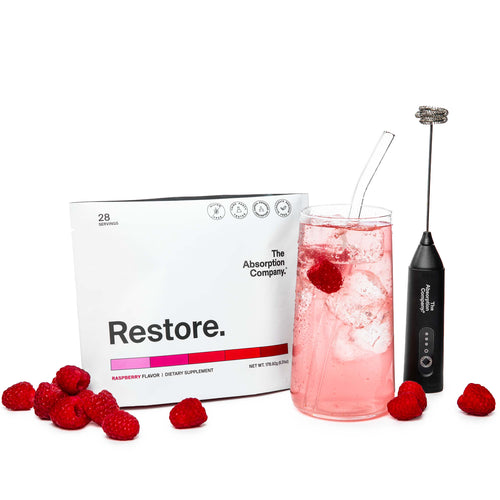
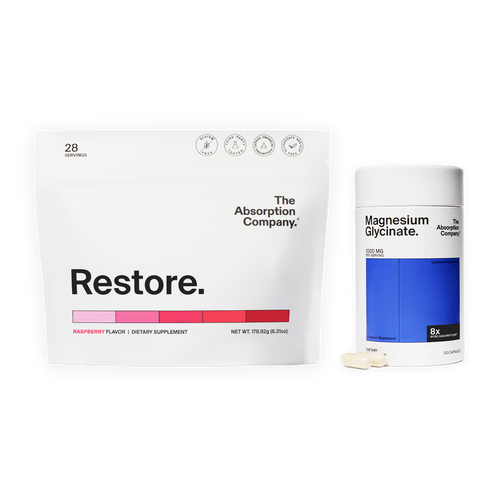
Think of Vitamin C as glutathione's sidekick. Not only does it help regenerate depleted glutathione stores, but it also acts as a front-line antioxidant on its own. When your body is fighting the toxic aftermath of a night out (hello, acetaldehyde overload), Vitamin C can help reinforce cellular defenses—pushing back against free radicals and oxidative stress before they can do real damage. That's exactly why The Absorption Company's Restore pairs liposomal glutathione with vitamin C—both working together with pharmaceutical-grade absorption technology so you actually get the synergistic benefits your cells need.
What About NAC?
If glutathione is the superhero, NAC is the reliable sidekick that makes sure the superhero always has what they need. NAC serves as a building block for glutathione, meaning it supplies the ingredients your body uses to make more of this essential molecule. Translation: More NAC, more raw materials for glutathione creation, better cellular protection. This dynamic duo is critical if you're looking to reduce acetaldehyde and shortcut hangover misery.
Magnesium's Role
After a night of celebrations, dehydration and nutrient loss can drive symptoms like headaches, muscle cramps, and fatigue. That's where magnesium comes in. Magnesium helps regulate neurotransmitters and supports energy production at the cellular level. Combine it with glutathione and you've got an unbeatable tag team for restoring electrolyte balance and calming the post-party chaos in your nervous system.
How Does This Combination Work?
When you combine these nutrients, you're not just stacking benefits—you're multiplying them. Vitamin C boosts glutathione's regeneration. NAC fuels its creation. Magnesium fortifies your neurological and muscular systems. This synergy helps your body rapidly break down toxins, repair stressed cells, and bounce back with less downtime.
Isn't it time to rethink your hangover recovery stack. The science is clear: leveraging the combined effects of these powerhouse nutrients gives your body the upper hand when it matters most.
Take Control of How You Feel with Highly Absorbable Glutathione Solutions
If you're pouring nutrients into your body but only absorbing a fraction of them, is it any wonder you still feel sluggish after a big night out? Traditional hangover recovery supplements often fall short for one crucial reason: poor bioavailability. With the majority of oral supplements, you're lucky if your body absorbs as little as 16% of what you're taking.
So how can you flip the script and take charge of your post-party recovery? The answer lies in the science of bioavailability. Imagine shrinking glutathione particles to nanometers and wrapping them in a protective lipid layer. These particles slide right through your digestive tract to be absorbed efficiently. When delivered using advanced technology, nutrients can achieve up to 5x more absorption compared to standard pills and powders.
Here's why that matters: Glutathione is your body's ultimate detoxifier, helping mop up acetaldehyde, the nasty byproduct of alcohol that's largely to blame for your pounding head and upset stomach. The more glutathione your body can actually use, the more effectively you can tackle those toxins head-on and get back to feeling like yourself.
In short, if you want to give your body the upper hand in hangover recovery, the solution is smarter, more efficient nutrients. That's where highly absorbable, science-backed glutathione steps in, empowering you to truly take control of how you feel. Cheers to waking up ready to take on the day, no matter what last night threw your way.
Sources:
- Lee, H. Y., Lee, G. H., Kim, D. S., Lim, Y. J., Cho, B., Jung, H., Choi, H. S., Sa, S., Chung, W., Lee, H., Chung, M. J., Kim, J., & Chae, H. J. (2025). Glutathione's Role in Liver Metabolism and Hangover Symptom Relief: Dysregulation of Protein S-Glutathionylation and Antioxidant Enzymes. Biomolecules & therapeutics, 33(1), 117–128. https://doi.org/10.4062/biomolther.2024.182
- Klihada, F. (2023, February 3). Relationship between glutathione and the immune system. Oxidants and Antioxidants in Medical Science. https://www.ejmoams.com/ejmoams-articles/relationship-between-glutathione-and-the-immune-system-95869.html
- Kerksick, C., & Willoughby, D. (2005). The antioxidant role of glutathione and N-acetyl-cysteine supplements and exercise-induced oxidative stress. Journal of the International Society of Sports Nutrition, 2(2), 38–44. https://doi.org/10.1186/1550-2783-2-2-38
- Atkuri, K. R., Mantovani, J. J., Herzenberg, L. A., & Herzenberg, L. A. (2007). N-Acetylcysteine--a safe antidote for cysteine/glutathione deficiency. Current opinion in pharmacology, 7(4), 355–359. https://doi.org/10.1016/j.coph.2007.04.005
- Yin, N., Harris, P. W. R., Liu, M., Sun, J., Chen, G., Wen, J., & Brimble, M. A. (2025). Enhancing the Oral Bioavailability of Glutathione Using Innovative Analogue Approaches. Pharmaceutics, 17(3), 385. https://doi.org/10.3390/pharmaceutics17030385
Disclaimer:
The information provided in this article is for general informational and educational purposes only and is not a substitute for professional medical advice, diagnosis, or treatment. Always seek the guidance of your physician or other qualified health provider with any questions you may have regarding your health or a medical condition. Never disregard or delay seeking professional medical advice because of something you have read here.