Ever wonder why some people seem to recover faster, glow brighter, and just have more energy? The secret might be hiding in a tiny molecule you've probably never heard of—glutathione.
Glutathione is what scientists call a "tripeptide"—a molecule made up of three amino acids: glutamine, cysteine, and glycine. Think of it as your body's Swiss Army knife, quietly working behind the scenes to neutralize the free radicals that damage your DNA, proteins, and cells. That reactive sulfur group in its structure makes it exceptionally good at mopping up the oxidative stress that comes from everything—pollution, intense workouts, late nights, even the stress of juggling work and life.
But glutathione doesn't just defend. It's actively involved in dozens of essential processes: detoxifying your liver, recycling other antioxidants like vitamins C and E, and keeping your immune system sharp. Research links healthy glutathione levels to better skin, faster muscle recovery, and even markers of healthy aging.
Here's the catch: your glutathione levels drop sharply after 40, and the decline accelerates every decade. By your mid-50s, levels can fall by more than half compared to your 20s. And factors like chronic stress, poor sleep, processed foods, and environmental toxins drain your reserves even faster. Spend three hours on a plane breathing recycled air? Your body burns through glutathione. Work in an office with dozens of people during cold season? More depletion. Train hard five days a week, juggle back-to-back meetings, or deal with a stressful commute through city traffic? Every stressor chips away at your reserves. That's why understanding how to boost or protect your glutathione production could be your secret weapon for feeling your best—whether you're chasing that post-workout glow, sharper mental focus, or just more consistent energy throughout the day.
What Is N-Acetyl Cysteine (NAC)? The Gluathione Precursor
If glutathione is the star of the antioxidant show, think of NAC as the producer making sure everything runs smoothly behind the scenes.
N-Acetyl Cysteine—better known as NAC—is a stable, bioavailable form of the amino acid cysteine. And here's why that matters: cysteine is the rate-limiting building block your body needs to produce glutathione. Without enough cysteine, your glutathione production stalls, leaving your cells more vulnerable to oxidative stress, inflammation, and all those environmental toxins we can't escape.
So what makes NAC such a wellness favorite? First, it's incredibly effective at boosting your body's natural glutathione levels—which is key when you're trying to fight off free radicals and support healthy cellular function. Research shows that supplementing with NAC can substantially increase glutathione in virtually all people.
But NAC is more than just a glutathione precursor. It's a multitasker:
- Respiratory health: NAC helps thin mucus, making it easier to breathe and clear congestion
- Liver support: It helps your liver detoxify from heavy metals and environmental pollutants
- Brain function: NAC's neuroprotective effects may help sharpen focus and mental clarity
- Exercise recovery: It helps reduce oxidative damage from intense workouts, so you bounce back faster
Think of NAC as the ultimate support system for your body's most critical antioxidant defenses. It's not just a supplement—it's a catalyst for cellular health and resilience.
When Direct Glutathione Supplementation Makes Sense
So when does it make more sense to go straight to the source and supplement with glutathione itself instead of relying on NAC to boost your natural production?
Let's look at the scenarios where direct glutathione supplementation might be your best move:
Chronic Oxidative Stress
Living in a city with air pollution? Constantly exposed to cigarette smoke or heavy metals? Dealing with chronic inflammation? When your body is under relentless oxidative attack, your glutathione reserves can get depleted faster than your body can rebuild them. Direct supplementation may help restore optimal levels more efficiently—especially when paired with advanced absorption technology.
Liver Support and Detoxification
Your liver is your body's detox headquarters, and glutathione is its most valuable employee. If you're dealing with non-alcoholic fatty liver disease, chronic medication use, or just want to support your liver's natural detoxification processes, research suggests that direct glutathione supplementation can provide targeted support when your liver needs it most.
Immune System Challenges
Fighting frequent colds? Dealing with autoimmune concerns? Recovering from chronic illness? Glutathione is essential for white blood cell function and immune regulation. Low glutathione levels have been linked to increased vulnerability to infections, making supplementation a compelling choice when your immune system needs extra support.
Brain Health and Neuroprotection
Conditions like Parkinson's and Alzheimer's are associated with increased oxidative stress in the brain. While it's no cure, studies suggest that direct glutathione supplementation may help protect nerve cells and support healthy brain aging—particularly important as we get older.
Skin Health and Radiance
Here's something that might surprise you: glutathione has a cult following in the skincare world. Research links adequate glutathione levels to improved skin elasticity, reduced hyperpigmentation, and that enviable glow. If you're looking to support skin brightness and even tone from the inside out, glutathione supplementation might be worth exploring.
The bottom line? For people dealing with chronic stress, liver concerns, immune challenges, brain health priorities, or stubborn skin issues, direct glutathione supplementation could offer benefits that NAC alone might not deliver at the same speed.
Clinical Uses of NAC Beyond Antioxidant Support
NAC isn't just about boosting glutathione—it has a surprisingly diverse range of clinical applications. But here's what makes the glutathione vs NAC conversation more interesting: many of NAC's benefits come from its ability to raise glutathione levels, which means direct glutathione supplementation can often deliver similar or superior results when absorption is optimized.
Respiratory Health
Hospitals use NAC as a mucolytic agent—meaning it helps break down and thin mucus. If you've ever dealt with stubborn congestion, chronic bronchitis, or just want to breathe easier, NAC is often part of the protocol. However, glutathione also plays a critical role in lung health by protecting airway cells from oxidative damage and supporting the immune response in respiratory tissues. The difference? NAC works by boosting your body's glutathione production over time, while direct glutathione supplementation can provide immediate antioxidant support to lung tissue—if your body can absorb it.
Mental Health and Addiction Support
Researchers have explored NAC's role in supporting mental wellness, particularly for conditions like depression, obsessive-compulsive disorder (OCD), and even substance use disorders. The secret seems to lie in NAC's ability to regulate glutamate—a crucial neurotransmitter for mood, motivation, and brain function. But glutathione itself is equally important for brain health. Low glutathione levels in the brain are linked to oxidative stress, which can affect mood, focus, and cognitive performance. While NAC helps build glutathione stores, direct glutathione supplementation with advanced absorption technology can support neuroprotection and mental clarity more efficiently.
Emergency Liver Protection
NAC has long been used in emergency rooms to treat acetaminophen (Tylenol) overdoses because it rapidly restores depleted glutathione stores in the liver. This highlights a key point: glutathione is the active molecule doing the liver protection—NAC is just the delivery vehicle. For ongoing liver detox and protection, direct glutathione supplementation (especially in liposomal form) can provide the same liver support without waiting for your body to convert NAC into glutathione first.
Reproductive Health
Growing research suggests that NAC's antioxidant profile may support reproductive health, particularly for women with polycystic ovary syndrome (PCOS). Studies have shown NAC may help with ovulation and overall fertility. However, these benefits stem largely from NAC's ability to reduce oxidative stress and boost glutathione—which means that highly absorbable glutathione supplementation can offer similar reproductive support by directly addressing oxidative stress at the cellular level.
The Bottom Line: NAC vs Glutathione
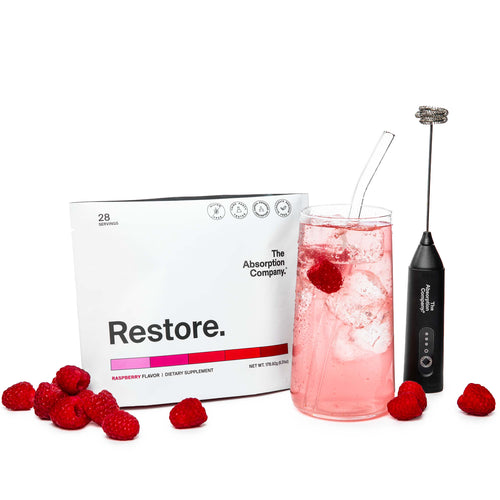
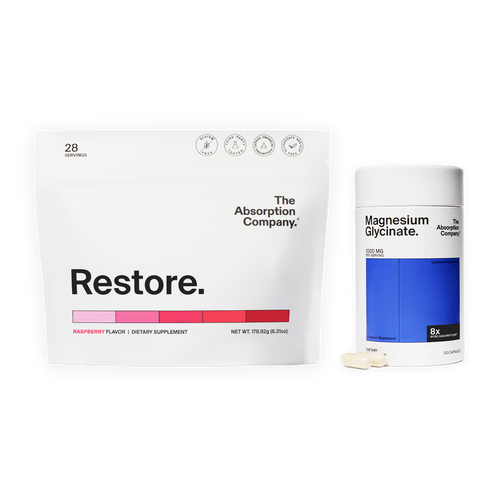
From clearing congestion to supporting brain health and protecting your liver, NAC brings clinical benefits—but most of them trace back to its role as a glutathione precursor. The real question isn't whether NAC works, but whether you'd rather wait for your body to convert NAC into glutathione, or deliver glutathione directly where it's needed most. With The Absorption Company's Restore, liposomal glutathione powered by Capsoil® nanotechnology solves the absorption problem, giving you the master antioxidant your cells need—without the middleman.
The Supporting Cast: Nutrients That Help Glutathione Work Better
Glutathione might be called the "master antioxidant," but it doesn't work alone. If you want to maximize glutathione's potential, you need to surround it with the right supporting nutrients.
Think of it like this: glutathione is the lead actor, but it needs a great ensemble cast to truly shine.
Vitamin C and Vitamin E: The Dynamic Duo
These two antioxidants form a tag team with glutathione. Vitamin C helps restore oxidized (spent) glutathione back to its active state, essentially recycling it so it can keep working. Meanwhile, Vitamin E sweeps up free radicals in cell membranes and works alongside glutathione to create a comprehensive defense system. (Fun fact: our best hydration powder combines glutathione with Vitamin C for this exact synergistic effect.)
Selenium: The Essential Catalyst
This trace mineral is a core component of the enzyme glutathione peroxidase—the enzyme that uses glutathione to neutralize harmful peroxides in your body. Without adequate selenium, your glutathione-based defenses can't reach their full potential. It's like having a sports car without fuel.
B Vitamins: The Behind-the-Scenes Crew
B vitamins—especially riboflavin (B2) and pyridoxine (B6)—act as co-factors that help regenerate and recirculate glutathione. Think of them as the pit crew keeping your antioxidant engine running smoothly.
Zinc and Magnesium: The Stabilizers
Zinc supports the structure of antioxidant enzymes, while magnesium helps stabilize the glutathione molecule itself, making it more resilient to breakdown.
The next time you're thinking about NAC to increase glutathione or supplementing with glutathione directly, remember: it's not just about one superstar nutrient. It's about building a complete team of vitamins and minerals that work together to keep your cells balanced and protected.
Why Absorption Is Everything (And Why Most Supplements Fail)
Here's the uncomfortable truth about the supplement industry: you could be taking the highest-quality glutathione or NAC on the market, and still barely get any benefit. Why? Because most supplements have a dirty little secret—they're not designed for absorption.
Think about it. You spend money on that premium bottle, swallow your capsule with your morning coffee, and wait for results. But inside your digestive system, the reality is harsh. Many antioxidants come in large, complex molecules that your gut struggles to break down. Others get destroyed by stomach acid before they ever reach your bloodstream.
The average absorption rate for traditional supplements? Only 16%. That means 84% of what you're taking is essentially wasted.
And it gets worse. Even NAC's bioavailability ranges from just 6% to 17% with standard formulations. For glutathione, the challenge is even steeper—oral glutathione is notoriously difficult to absorb because it breaks down quickly in your digestive tract.
So what's the point of taking a supplement if your body can't use it?
This is why The Absorption Company exists. We don't just focus on what's in the bottle—we're obsessed with what actually makes it into your cells. Our Capsoil® nanotechnology shrinks nutrient particles down to nanometers and wraps them in a protective lipid layer. The result? Up to 500% more absorption compared to standard supplements.
Because here's the thing: which is better, NAC or glutathione? The answer depends on which form your body can actually absorb. A high-dose supplement that doesn't absorb is worthless. A lower dose that's properly formulated for bioavailability? That's where the magic happens.
When it comes to antioxidants—or any supplement, really—absorption is everything. Without it, you're just creating expensive urine.
Sources:
- Schmitt, B., Vicenzi, M., Garrel, C., & Denis, F. M. (2015). Effects of N-acetylcysteine, oral glutathione (GSH) and a novel sublingual form of GSH on oxidative stress markers: A comparative crossover study. Redox Biology, 6, 198–205. https://doi.org/10.1016/j.redox.2015.07.012
- Kerksick, C., & Willoughby, D. (2005). The antioxidant role of glutathione and N-acetyl-cysteine supplements and exercise-induced oxidative stress. Journal of the International Society of Sports Nutrition, 2(2), 38–44. https://doi.org/10.1186/1550-2783-2-2-38
- Atkuri, K. R., Mantovani, J. J., Herzenberg, L. A., & Herzenberg, L. A. (2007). N-Acetylcysteine--a safe antidote for cysteine/glutathione deficiency. Current opinion in pharmacology, 7(4), 355–359. https://doi.org/10.1016/j.coph.2007.04.005
- Yin, N., Harris, P. W. R., Liu, M., Sun, J., Chen, G., Wen, J., & Brimble, M. A. (2025). Enhancing the Oral Bioavailability of Glutathione Using Innovative Analogue Approaches. Pharmaceutics, 17(3), 385. https://doi.org/10.3390/pharmaceutics17030385
Disclaimer:
The information provided in this article is for general informational and educational purposes only and is not a substitute for professional medical advice, diagnosis, or treatment. Always seek the guidance of your physician or other qualified health provider with any questions you may have regarding your health or a medical condition. Never disregard or delay seeking professional medical advice because of something you have read here.