The best approach to menopause hair loss is usually one that supports overall health rather than focusing on a single solution. Because hair changes during menopause can be influenced by multiple factors, a broader wellness strategy is often recommended.
Areas worth focusing on include:
- Maintaining a balanced and nutrient-rich diet.
- Supporting overall wellness through consistent healthy habits.
- Staying hydrated throughout the day.
- Prioritizing sleep and stress management.
- Evaluating nutritional support options that fit your individual needs.
- Taking a long-term approach rather than expecting immediate results.
While there is no universal menopause hair loss treatment that works for everyone, building a strong wellness foundation may help support healthy hair as the body adapts to hormonal changes.
Why Hair Changes During Menopause
Menopause and hair loss are often discussed together because hormonal changes can influence many functions throughout the body, including the natural hair growth cycle. As hormone levels shift during menopause, some women may notice changes in hair thickness, texture, or overall volume.
It's important to remember that hair health is rarely influenced by a single factor. Nutrition, stress, sleep quality, age, and overall wellness can all contribute to how hair looks and feels over time. This is one reason why experiences can vary significantly from person to person.
For many women, these changes occur gradually rather than all at once. While the experience can be frustrating, understanding that hair changes are a common part of the menopausal transition may help provide context and support a more realistic long-term approach.
Can Menopause Really Cause Hair Loss?
Yes, it can. Hormonal changes that occur during menopause may contribute to changes in the hair growth cycle, which is why many women notice thinning hair or reduced volume during this stage of life.
Does Menopause Cause Hair Loss?
For some women, yes. Changes in hormone levels may influence how hair grows and sheds over time. However, menopause is not the only factor that can affect hair health, which is why individual experiences can vary.
Can Menopause Cause Hair Loss Even If It Doesn't Run In The Family?
It can. While genetics may influence hair health, factors such as age, nutrition, lifestyle habits, and hormonal changes can also play a role in how hair changes during menopause.
Why Do Some Women Notice More Hair Changes Than Others?
The menopausal experience is highly individual. Differences in overall health, wellness habits, stress levels, and nutritional status may all influence how noticeable hair changes become.
What To Focus On When Hair Thinning Starts
If you begin noticing hair thinning during menopause, it can be helpful to focus on factors that support overall wellness rather than searching for a quick fix. Small, consistent habits often play an important role in long-term hair health.
Consider prioritizing:
- A balanced diet that supports overall nutritional needs.
- Consistent hydration throughout the day.
- Healthy sleep habits and stress management.
- Regular wellness routines that are sustainable long term.
- Nutritional support that aligns with your individual goals.
- Patience, as changes in hair health often take time.
Hair loss during menopause can feel discouraging, but focusing on the factors you can control may help support both overall well-being and healthy-looking hair over time.
Supporting Healthy Hair And Overall Wellness
While hair changes during menopause can be frustrating, it's important to remember that healthy hair is often supported by the same habits that contribute to overall wellness. In addition to available supplemental support, nutrition, hydration, sleep, and consistent self-care can all play a role in maintaining a strong foundation during this stage of life.
This perspective is especially important when considering a hormonal hair loss treatment strategy. Rather than focusing on a single product or ingredient, many women find it helpful to support their overall well-being through sustainable daily habits and nutritional support.
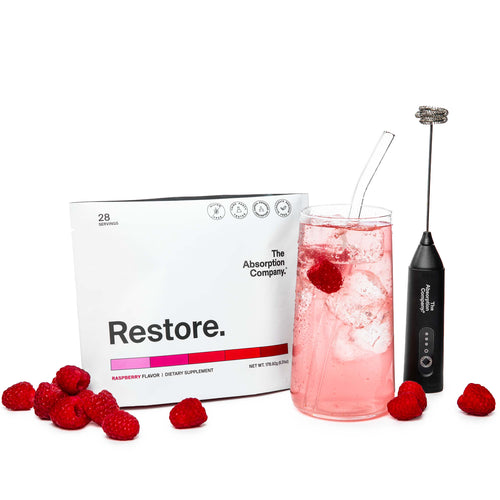
For those looking to complement their wellness routine, The Absorption Company's Vitamin D3+K2 is engineered for 1.9× more absorption and supports bone strength, immune function, cardiovascular health, and steady daily wellness. Because it absorbs effectively even without food, it can be an easy addition to a consistent routine. For women navigating hormonal shifts that affect metabolism and energy, Berberine supports healthy blood sugar metabolism and insulin function — two factors that can quietly influence how the body responds to hormonal change during menopause. For women looking to prioritize hydration as part of their overall wellness plan, Restore may also help support daily hydration and fluid balance.
Disclaimer:
The information provided in this article is for general informational and educational purposes only and is not a substitute for professional medical advice, diagnosis, or treatment. Always seek the guidance of your physician or other qualified health provider with any questions you may have regarding your health or a medical condition. Never disregard or delay seeking professional medical advice because of something you have read here.
FDA Disclaimer:
These statements have not been evaluated by the Food and Drug Administration. The products are not intended to diagnose, treat, cure, or prevent any disease.