Women considering or using Ozempic often want to know what side effects to expect and whether their experience is typical. While side effects can vary from person to person, most are related to how the medication affects appetite, digestion, and food intake.
Current research suggests that Ozempic side effects in women are generally similar to those reported in the broader population. However, individual factors such as body composition, eating habits, hydration status, and weight loss rate may influence how noticeable those effects become.
Many side effects are most common when first starting the medication or after a dosage increase. In many cases, symptoms improve as the body adjusts. Understanding what may occur can help women better prepare for the changes that sometimes accompany GLP-1-assisted weight loss.
Common Changes Women May Notice While Taking Ozempic
Not everyone experiences side effects in the same way. However, there are several changes that women commonly report while adjusting to Ozempic or other GLP-1 medications.
Digestive Changes
Nausea, stomach discomfort, and changes in bowel habits are among the most frequently discussed side effects. These symptoms are often more noticeable when starting the medication or increasing the dosage.
Appetite Changes
One of Ozempic's primary effects is reducing appetite. While this can support weight loss goals, it may also make it easier to consume fewer calories and nutrients than intended if meals are skipped too frequently.
Energy And Daily Wellness
Some women report changes in energy levels during the early stages of treatment. Factors such as reduced food intake, hydration status, and rapid weight loss may all play a role in how someone feels throughout the day.
Changes Related To Weight Loss
Many concerns associated with discussions around the Ozempic side effects female users face are actually connected to the weight loss process itself. As the body adapts to significant changes in eating habits and body weight, temporary changes in how a person looks or feels may occur.
Can Ozempic Affect Hormones?
Many women wonder whether Ozempic can directly affect hormone levels. While Ozempic is not a hormone therapy, the changes that occur during weight loss may influence processes throughout the body, including those that are connected to hormonal health.
This is one reason discussions about Ozempic hormonal side effects women can be complex. Some women report changes that occur alongside weight loss, but it can be difficult to determine whether those changes are related to the medication itself, weight loss, dietary changes, or other factors.
Because hormones are influenced by many aspects of health, including nutrition, body composition, sleep, and stress, significant weight loss may sometimes contribute to changes that women notice during their wellness journey. More research is still needed to fully understand these relationships.
Understanding GLP-1 And Semaglutide Side Effects
Although Ozempic receives much of the attention, it belongs to a broader class of medications known as GLP-1 receptor agonists. As a result, many of the experiences people associate with Ozempic can also be discussed in the context of other GLP-1 medications.
Commonly discussed GLP-1 side effects women may experience include:
- Nausea, particularly when starting treatment or increasing dosage.
- Reduced appetite, which can contribute to lower calorie intake.
- Digestive discomfort, including occasional stomach upset.
- Changes in hydration and nutrient intake due to eating less.
- Temporary effects associated with rapid weight loss rather than the medication itself.
Similarly, semaglutide side effects in women often overlap with those reported for Ozempic because semaglutide is the active ingredient in the medication. While experiences vary, many side effects tend to improve as the body adapts over time. Alongside differences among widely used weight-loss medications, this article can recommend glp-1 hair loss.
Supporting Your Body During The Weight Loss Journey
Weight loss can be an exciting process, but it can also create new nutritional challenges. As appetite decreases, it may become more difficult to maintain hydration and consume enough nutrients to support overall wellness.
This is why many discussions about weight loss drug side effects women experience eventually lead back to the importance of hydration, nutrient intake, and supporting the body throughout periods of change. Focusing on these areas may help women feel their best while working toward their goals.
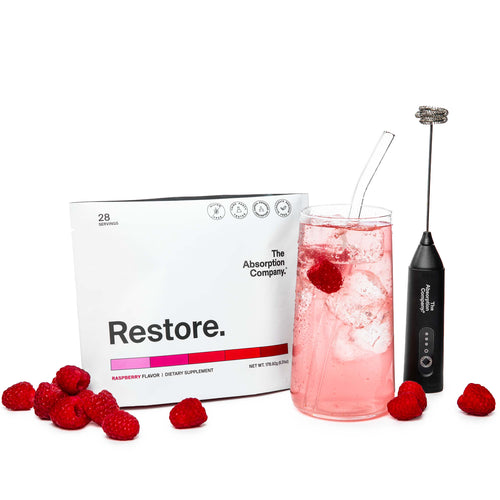
For those looking for additional support during their GLP-1 journey, The Absorption Company's GLP-1 Nutrient Support Stack was designed to help address common hydration and nutrient concerns associated with reduced food intake. For broader support, WLP-1 Oral Support and Restore can help complement a wellness routine by supporting hydration, nutrient replenishment, and overall well-being throughout the weight loss process.
Disclaimer:
The information provided in this article is for general informational and educational purposes only and is not a substitute for professional medical advice, diagnosis, or treatment. Always seek the guidance of your physician or other qualified health provider with any questions you may have regarding your health or a medical condition. Never disregard or delay seeking professional medical advice because of something you have read here.
FDA Disclaimer:
These statements have not been evaluated by the Food and Drug Administration. The products are not intended to diagnose, treat, cure, or prevent any disease.