

SELF-CARE
Body Fat Percentage For Women: Charts, Ranges And How To Measure It
Nov 16, 2026 · 5 min Read
What counts as a healthy body fat percentage for women? See the charts, learn how to measure yours, and find simple ways to lower it.

By Dr. John Doe


780 clinicians
share The Absorption Company on FrontrowMD without compensation.
Learn more.


Ultimate Weight Management Stack
WLP-1™ works on three metabolic pathways: GLP-1 activity, appetite regulation, and thermogenesis. Berberine unlocks a fourth, AMPK activation, to stabilize blood sugar and improve insulin sensitivity. Together, more complete weight management support than either one alone.*
Don’t Miss These
Works well with SELF-CARE
Ultimate Weight Management Stack
Full-Spectrum Weight Management Support
From $80.48/mo
$146.33*
Strikethrough price refers to one time purchase
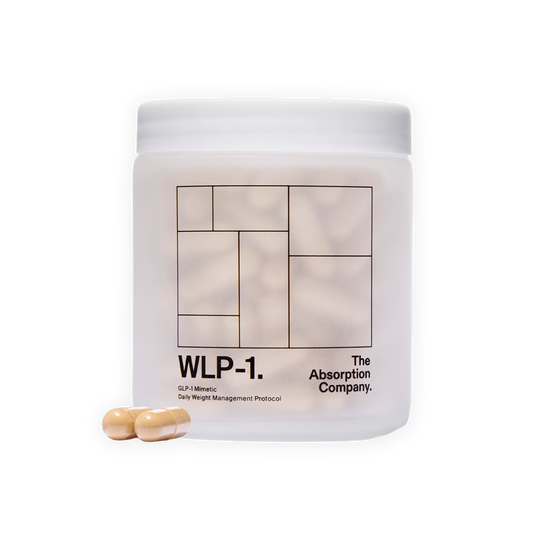
WLP-1™: Oral GLP-1 Support
Burn More Calories at Rest & Control Appetite
From $53.53/mo
$97.33*
Strikethrough price refers to one time purchase

Vitamin D3+K2
Mood, Energy, & Calcium Absorption
From $17.60/mo
$32.00*
Strikethrough price refers to one time purchase
Related Products

Ultimate Weight Management Stack
Full-Spectrum Weight Management Support
From $80.48/mo
$146.33*
Strikethrough price refers to one time purchase

WLP-1™: Oral GLP-1 Support
Burn More Calories at Rest & Control Appetite
From $53.53/mo
$97.33*
Strikethrough price refers to one time purchase

Vitamin D3+K2
Mood, Energy, & Calcium Absorption
From $17.60/mo
$32.00*
Strikethrough price refers to one time purchase
Featured Posts


