The Absorption Company
Skip to main content
Main Menu
Shop Learn BLACK FRIDAY SALE | 40% OFF
0

How much weight can you lose in a month? The Absorption Company breaks down realistic numbers, why early results differ, and how to build lasting progress.

780 clinicians share The Absorption Company on FrontrowMD without compensation.
Learn more.

Key Takeaways:

  • A Realistic Monthly Range: Four to eight pounds reflects a healthy pace for most adults chasing steady results.
  • Early Drops Are Mostly Water: The fast numbers in week one often come from stored fluid, not fat.
  • Appetite Support Eases The Climb: Steady meals, strength training, and GLP-1 support make the pace easier to sustain.


Social media promises 20 pounds gone in 30 days, then the scale on the bathroom floor tells a slower story. That gap between online hype and real progress makes a lot of people feel like they’re doing something wrong.

The Absorption Company builds its weight management formulas around a question most brands skip: does the body absorb what gets put into it? Clinically studied ingredients sit at the center of that approach, paired with a close look at how much weight loss in a month really looks like for real people.

In this piece, get a clear answer to how much weight can you lose in a month, why the first few weeks can be misleading, and how to plan a month that lasts.

image_ratios_17_1

SEE THE COLLECTION

The Honest Number Behind A One-Month Goal

Health experts generally point to one to two pounds a week as safe weight loss per week, which adds up to roughly four to eight pounds across a month.

Losing one pound of body fat takes a calorie gap of close to 3,500 calories, though that number shifts as the body adapts to a new routine. Stretch that pace across three months and the total lands between 12 and 24 pounds, which shows why modest weekly numbers carry more weight than they first seem.


Why The First Two Weeks Look Different On The Scale

The first two weeks of a new plan often show the biggest drop, and there’s a clear reason behind it.

Muscles keep a backup supply of carbohydrate called glycogen, and each gram holds onto roughly three grams of water. Cutting calories or carbs pushes the body to use that supply before turning to fat, so the stored water leaves along with it. That explains why people searching how much weight can you lose in 2 weeks often see three to six pounds disappear, with water making up a large share of it.

Around week three, the pace settles into slower fat loss. That slowdown is normal and different from a true Weight Loss Plateau, which tends to show up after months of consistent effort.

Soak It All In

Sign up for wellness tips, the latest in supplement science, and first access to new products.

Six Things That Change Your Monthly Results

The same plan can produce very different numbers by day 30:

  • Starting Weight: A larger body burns more energy at rest, so the same calorie gap can produce faster early results.
  • Muscle Gain: Regular lifting can add muscle while fat drops, which keeps the scale steadier than the mirror suggests. Two people can lose the same amount of fat and see different numbers if one is also building muscle through strength training.
  • Sleep: Short nights drain workout energy and make it harder to stick to a calorie gap. Five hours of sleep tends to spike hunger hormones the next day, which can turn a planned light dinner into a late-night snack session.
  • Hormonal Shifts: Many women hold onto a few pounds of water in the week before their period. That temporary gain often disappears within days once the cycle shifts.
  • Appetite Signals: Strong fullness signals make it easier to eat a little less each day, while weak ones keep hunger loud all month. This is where GLP-1 support comes into play, since steadier satiety signals can turn cravings into a background hum.
  • Consistency: Weekends count, and two days off-plan can erase much of a weekday deficit.


Building A Month That Sets Up Lasting Results

Setting realistic weight loss goals for the first 30 days gives you a plan you can repeat in month two and beyond.


Choose A Moderate Calorie Gap

A deficit of 300 to 500 calories a day holds up better than a crash diet across a full month. Larger cuts tend to drain workout energy and trigger stronger hunger rebounds within a week or two.


Make Protein The Anchor Of Every Meal

Chicken, fish, eggs, Greek yogurt, or tofu at every meal helps the body hold onto lean muscle while it sheds fat. A protein-forward breakfast, like eggs with vegetables instead of just toast, keeps hunger quieter through the rest of the morning.


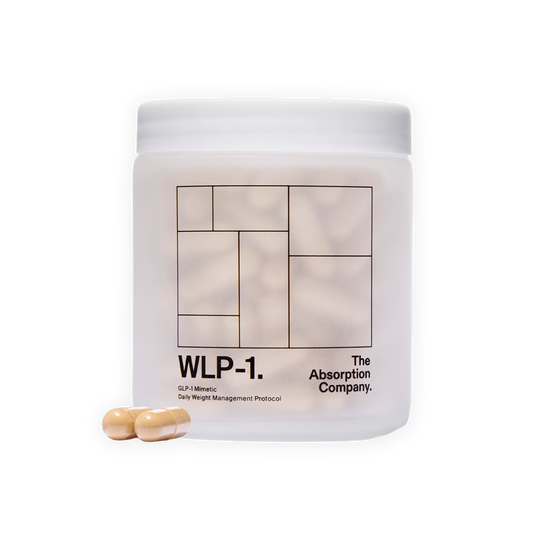
WLP-1™ Naturally Increases GLP-1

WLP-1™ naturally increases GLP-1, the hormone that signals fullness to the brain and quiets constant snacking. That shift ties back to a mechanism most people associate with injections, and anyone curious about How Does GLP-1 Work for Weight Loss can see how an orally bioavailable formula taps into the same pathway.

In clinical research on adults with a BMI of 25 or higher, this approach has been linked to meaningful changes in appetite control and satiety, alongside increased calorie burn at rest. WLP-1™ supports weight management alongside craving control and thermogenesis, without relying on harsh stimulants, and works as a complement to the appetite-signaling systems the body already relies on. The Absorption Company’s GLP-1 Weight Loss lineup includes WLP-1™ alongside other appetite-focused formulas.

Final Thoughts

How long does it take to lose weight for good? Usually longer than a single month, and that's okay. Steady progress gives your body time to adjust, and the habits you build in these first 30 days are the ones that keep working long after.


Frequently Asked Questions About How Much Weight Can You Lose In A Month

Is losing 10 pounds in a month realistic?

It's possible for people with more weight to lose, but for most adults, 10 pounds is more than the body can shed as fat in four weeks.


Do men and women lose weight at the same rate?

Men often see faster early results because they tend to carry more muscle, which burns more energy at rest.


How can you set a personal monthly target?

Aiming for 0.5% to 1% of your body weight per week, multiplied by four, gives a monthly range tailored to you.


How much can walking alone add in a month?

A daily 45-minute walk burns roughly 150 to 250 calories, which can add one to two pounds of progress over a month.


Can you lose weight in a month without exercise?

Yes, eating changes alone can create progress, though regular activity makes the calorie gap easier to reach.


What if the scale doesn't move after a full month?

Double-check portion sizes and untracked snacks first, then talk with a healthcare provider if nothing changes after a few more weeks.


Disclaimer:

The information provided in this article is for general informational and educational purposes only and is not a substitute for professional medical advice, diagnosis, or treatment. Always seek the guidance of your physician or other qualified health provider with any questions you may have regarding your health or a medical condition. Never disregard or delay seeking professional medical advice because of something you have read here.

FDA Disclaimer:

These statements have not been evaluated by the Food and Drug Administration. The products are not intended to diagnose, treat, cure, or prevent any disease.


Sources:

  1. Hall, K. D. (2007). What is the required energy deficit per unit weight loss? International Journal of Obesity, 32(3), 573–576. https://doi.org/10.1038/sj.ijo.0803720.
  2. Fernández-Elías, V. E., Ortega, J. F., Nelson, R. K., & Mora-Rodriguez, R. (2015). Relationship between muscle water and glycogen recovery after prolonged exercise in the heat in humans. European Journal of Applied Physiology, 115(9), 1919–1926. https://doi.org/10.1007/s00421-015-3175-z.
  3. Cava, E., Yeat, N. C., & Mittendorfer, B. (2017). Preserving healthy muscle during weight loss. Advances in Nutrition: An International Review Journal, 8(3), 511–519. https://doi.org/10.3945/an.116.014506

Don’t Miss These

Works well with SELF-CARE

Ultimate Weight Management Stack Ultimate Weight Management Stack
Ultimate Weight Management Stack
Full-Spectrum Weight Management Support
From $80.48/mo $146.33*

Strikethrough price refers to one time purchase
WLP-1™: Oral GLP-1 Support WLP-1™: Oral GLP-1 Support
WLP-1™: Oral GLP-1 Support
Burn More Calories at Rest & Control Appetite
From $53.53/mo $97.33*

Strikethrough price refers to one time purchase

Berberine Berberine
Berberine
Curb Cravings, Energy & Hormone Support
From $26.95/mo $49.00*

Strikethrough price refers to one time purchase

Share

Related Products

Ultimate Weight Management Stack
Full-Spectrum Weight Management Support
From $80.48/mo $146.33*

Strikethrough price refers to one time purchase

WLP-1™: Oral GLP-1 Support
Burn More Calories at Rest & Control Appetite
From $53.53/mo $97.33*

Strikethrough price refers to one time purchase

Berberine
Berberine
Curb Cravings, Energy & Hormone Support
From $26.95/mo $49.00*

Strikethrough price refers to one time purchase

Featured Posts

Leave a comment

Please note, comments must be approved before they are published.

This site is protected by hCaptcha and the hCaptcha Privacy Policy and Terms of Service apply.