SELF-CARE
Can Resveratrol Support GLP-1 Secretion?
Resveratrol may support natural GLP-1 secretion and blood sugar regulation. Here's what the current research shows and what to realistically expect.
By Dr. John Doe
John Doe, PhD, is a clinical researcher specializing in recovery science.
Resveratrol may support natural GLP-1 secretion and blood sugar regulation. Here's what the current research shows and what to realistically expect.
780 clinicians
share The Absorption Company on FrontrowMD without compensation.
Learn more.
Key Takeaways:
- GLP-1 Evidence Still Building: Resveratrol may influence pathways involved in natural GLP-1 secretion, but stronger human evidence is still needed before drawing firm conclusions.
- More Than Blood Sugar: Research suggests resveratrol may support insulin sensitivity, glucose regulation, and other markers connected to resveratrol metabolic health.
- Metabolic Support, Not A Substitute: Resveratrol is best viewed as potential metabolic support, not a replacement for GLP-1 medications or foundational lifestyle habits.
GLP-1 has become a major topic in metabolic health, and resveratrol raises an interesting question about whether a plant compound can support the body's natural GLP-1 secretion. Early research suggests it may, and the potential implications for appetite, blood sugar regulation, and resveratrol metabolic health are worth examining closely.
The Absorption Company formulates pharmaceutical-grade supplements with increased nutrient absorption in mind, because a nutrient that does not absorb cannot do its job. This piece examines the current research on resveratrol and GLP-1, what it could mean for metabolic health and blood sugar, and where the evidence still has gaps.
SEE THE COLLECTION
What Does GLP-1 Do In The Body?
Think of GLP-1 as one of the body’s after-meal coordinators: it helps stimulate insulin when blood sugar rises, reduces glucagon release, and slows the speed at which food leaves the stomach so glucose enters the bloodstream more gradually. GLP-1 also sends fullness signals to the brain, which can help regulate appetite and make the body better at recognizing when it has had enough food.
Together, these actions help manage post-meal blood sugar, appetite, and digestion, making GLP-1 an important part of the body’s natural system for maintaining metabolic balance.
Can Resveratrol Increase GLP-1 Secretion?
Many people researching resveratrol for GLP-1 are looking for a natural way to support the same metabolic processes that GLP-1 medications target: appetite regulation, blood sugar control, and satiety signaling. Resveratrol has caught attention as a plant compound that may support those pathways without a prescription.
The evidence is promising but still early. Research suggests resveratrol may encourage intestinal cells to release more GLP-1 by influencing cellular signaling pathways tied to glucose sensing and hormone release, though the strongest findings come from laboratory and animal studies. Human research still needs to confirm whether supplementation can raise GLP-1 enough to produce measurable metabolic effects.
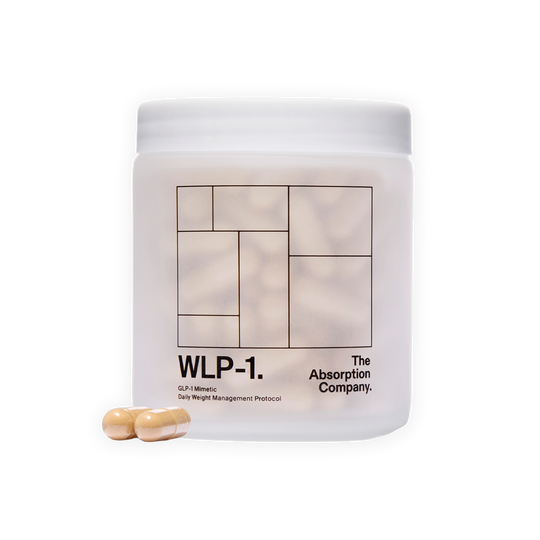
WLP-1 Naturally Increases GLP-1
Looking for more direct GLP-1 support? The Absorption Company formulated WLP-1 specifically for that purpose. WLP-1 is a first-of-its-kind oral GLP-1 biomimetic designed to activate the body's natural GLP-1 activity, support appetite signaling, and increase thermogenesis. Clinically studied and orally bioavailable, it targets the same metabolic system without needles or harsh stimulants.
What Do Human Studies On Resveratrol Show?
Human studies on resveratrol have examined glucose control, insulin sensitivity, inflammation, and other metabolic markers, but results have been mixed. Outcomes can vary by dose, study length, and the health status of participants. Some trials and meta-analyses point to potential improvements in certain blood sugar measures, particularly among people with metabolic conditions, while evidence in otherwise healthy adults is less consistent.
For GLP-1 specifically, human evidence remains limited. Resveratrol is better understood as a promising area of ongoing research than a proven method for raising GLP-1 levels in a clinically significant way.
Resveratrol Metabolic Health And Resveratrol Blood Sugar Benefits
Resveratrol has drawn research interest because its potential metabolic effects extend beyond GLP-1, touching several processes that help the body manage energy and blood sugar.
Supporting Insulin Sensitivity
Insulin helps move glucose from the bloodstream into cells where the body can use it for energy. Research suggests resveratrol may strengthen how cells respond to insulin's signal. This potential resveratrol insulin support could contribute to healthier glucose regulation, though individual responses to supplementation vary.
Helping Manage Oxidative Stress
Resveratrol is an antioxidant, and researchers are examining the relationship between resveratrol antioxidant metabolism and the oxidative stress produced as cells convert nutrients into energy. By helping counter oxidative stress and influencing cellular signaling, resveratrol may support healthier metabolic function.
Supporting Healthy Blood Sugar
Resveratrol may influence pathways involved in glucose uptake and insulin signaling, which could help the body handle post-meal glucose more efficiently. Research has shown promising resveratrol blood sugar benefits in people with metabolic concerns, but results are not consistent enough to position resveratrol as a replacement for established blood sugar management strategies.
Resveratrol Supplement Weight Loss: What Can You Realistically Expect?
Resveratrol may support metabolic processes connected to glucose control and resveratrol insulin support, but supplementation alone should not be expected to produce dramatic weight management results. Human research on body weight has produced mixed outcomes, so the more grounded view is resveratrol as metabolic support alongside nutrition, exercise, sleep, and other daily habits. Absorption is also a critical factor: resveratrol must become bioavailable before the body can draw on its benefits.
For those looking more directly at GLP-1 pathways, Introducing WLP-1 Natural Oral GLP-1 Support examines a formula specifically designed to support natural GLP-1 activity, appetite signaling, and thermogenesis. For a closer look at what that experience looks like in the early days, What WLP-1 Feels Like First 72 Hours walks through the first three days in detail, though real weight management progress still depends on consistency, individual response, and the everyday habits that support metabolic health.
Final Thoughts
Research suggests resveratrol may support GLP-1 secretion and other processes tied to resveratrol's metabolic health, though more human studies are needed to understand its full scope. As interest in natural GLP-1 support continues to grow, resveratrol remains a compound worth watching as part of a broader approach to healthy metabolism.
Frequently Asked Questions About Resveratrol GLP-1
What foods naturally contain resveratrol?
Resveratrol occurs naturally in red grapes, blueberries, cranberries, peanuts, and pistachios. Darker-skinned fruits tend to have higher concentrations, as resveratrol is produced by plants responding to environmental stress.
What time of day should you take resveratrol?
There is no firmly established best time to take resveratrol, so following your supplement’s directions and maintaining a consistent routine is practical.
How much resveratrol should you take?
There is no universally recommended resveratrol dose for supporting GLP-1, and amounts used in research vary considerably.
How quickly does resveratrol work?
Resveratrol does not have a proven timeline for affecting GLP-1 in humans, and any effects may depend on the dose, formulation, and individual.
Can resveratrol be taken every day?
Resveratrol has been used daily in many studies, but the appropriate dose and duration depend on individual circumstances.
Does resveratrol need good absorption to work?
Yes, absorption matters because resveratrol must become bioavailable before the body can effectively use it.
Disclaimer:
The information provided in this article is for general informational and educational purposes only and is not a substitute for professional medical advice, diagnosis, or treatment. Always seek the guidance of your physician or other qualified health provider with any questions you may have regarding your health or a medical condition. Never disregard or delay seeking professional medical advice because of something you have read here.
FDA Disclaimer:
These statements have not been evaluated by the Food and Drug Administration. The products are not intended to diagnose, treat, cure, or prevent any disease.
Don’t Miss These
Works well with SELF-CARE
Related Products