The Absorption Company
Skip to main content
Main Menu
Shop Learn BLACK FRIDAY SALE | 40% OFF
0

Why am I always hungry? The Absorption Company explains 9 common causes of constant hunger and what helps. Learn how to feel full longer, starting today.

780 clinicians share The Absorption Company on FrontrowMD without compensation.
Learn more.

Key Takeaways:

  • Hunger Has Many Hidden Triggers: Low protein, short sleep, high stress, and blood sugar swings keep appetite elevated throughout the day.
  • Hunger And Cravings Feel Different: Physical hunger builds slowly, while cravings strike fast and zero in on specific foods.
  • Fullness Signals Respond To Habits: Balanced meals, consistent routines, and products like WLP-1™ help the body recognize when it’s full.


Just finished lunch and already scanning the pantry an hour later? Constant hunger is frustrating when eating well and training hard, and it’s rarely about willpower. The Absorption Company makes pharmaceutical-grade supplements formulated for absorption, including WLP-1™, a first-of-its-kind oral formula designed to work with the body’s natural fullness signals.

In this piece, you’ll find clear answers to the question “why am I always hungry,” including the nine most common causes and what actually helps.

image_ratios_17_1

SEE THE COLLECTION

Hunger Vs Cravings: Knowing Which One You're Feeling

Recognizing hunger vs cravings starts with noticing how each one behaves. Physical hunger builds gradually and fades after almost any filling meal. Cravings arrive suddenly, zero in on one specific food, and often surface when stress, boredom, or fatigue sets in. Hunger asks for fuel, while a craving targets one specific food like chocolate at 3 p.m. Both responses are normal, yet each stems from a different trigger.


9 Reasons You're Always Hungry

Most constant hunger causes come down to everyday habits and the hormones that control appetite.

  • Not Enough Protein: Protein is the most filling nutrient, so toast and coffee for breakfast often leaves you starving by 10 a.m.
  • Too Little Fiber: Fiber slows digestion and adds bulk, which keeps the stomach feeling full longer.
  • Refined Carbs: If you’ve wondered why am I hungry after eating a big bowl of pasta, fast-digesting carbs can spike and drop blood sugar, bringing hunger back quickly.
  • Short Sleep: A few short nights can lower leptin, the fullness hormone, and raise ghrelin, the hunger hormone.
  • Ongoing Stress: Stress raises cortisol, which can increase appetite and pull you toward sugary, salty foods.
  • Dehydration: Mild thirst can feel a lot like hunger, especially in the afternoon. A glass of water before reaching for a snack often settles the signal within a few minutes.
  • Hard Training: Working out three to five times a week raises energy needs, and appetite rises to match.
  • Eating Too Fast: Fullness signals take time to reach the brain, so rushed or distracted meals often lead to second helpings.
  • Fullness Hormone Signaling: GLP-1 tells the brain enough food has arrived, and GLP-1 Hunger Hormones play a central role in how strong or weak that signal feels.

Soak It All In

Sign up for wellness tips, the latest in supplement science, and first access to new products.

What Helps When You're Always Hungry

A few targeted changes can help you feel full longer and quiet the constant pull toward snacks.


Build Meals Around Protein And Fiber

Aim for a palm-sized portion of protein at each meal, plus vegetables, beans, or whole grains. Eggs with avocado and berries will carry you much further than a pastry. Eating slowly gives fullness signals time to catch up.


Protect Sleep And Manage Stress

Seven or more hours of sleep helps keep hunger hormones balanced. Short walks, breathing exercises, or a steady wind-down routine can ease the stress that drives late-night snacking.


WLP-1™ Naturally Increases GLP-1

Diet and sleep changes help fullness signals work better, but weak GLP-1 signaling can still leave hunger running high even with good habits in place. WLP-1™ naturally increases GLP-1, the hormone that tells the brain the body has had enough. The formula works on three pathways without harsh stimulants: natural GLP-1 activity, appetite signaling, and thermogenesis.

A proprietary Body Ready™ tripeptide complex handles the appetite control piece, and in clinical research among adults with a BMI of 25 or higher, uncontrolled eating improved by 22.3%. That kind of GLP-1 Appetite Control helps turn down persistent hunger instead of pushing through it.


Why Hunger Rises During Weight Management

Eating less can turn hunger up, which is why so many people ask why am I hungry all the time after starting a new plan.

When you cut calories, the body raises ghrelin and lowers leptin to nudge you toward eating more. One study found these hormone shifts lasted a full year after weight loss. That pushback is why many people look into OTC Appetite Support during a plan. Moderate calorie cuts with plenty of protein are easier to sustain.

However, unexplained weight changes, extreme thirst, or ongoing fatigue alongside constant hunger call for a check-in with a healthcare provider.

Final Thoughts

Feeling hungry all day is exhausting, but it's usually a signal worth listening to. Start with more protein and fiber, better sleep, and slower meals. Then support your fullness signals, so you spend less energy thinking about food and more on what matters most.


Frequently Asked Questions About Why You Are Always Hungry

Can certain medications increase appetite?

Some medications list increased appetite as a side effect, so ask a pharmacist or doctor if hunger changed after starting one.


Is it normal to be hungrier before a period?

Many women notice a bigger appetite in the week or two before their period as hormone levels shift.


Is it okay to eat before bed if you're hungry?

A small, protein-rich snack before bed is fine for most people and can prevent waking up hungry.


Does appetite change with age?

Appetite often decreases gradually with age as the hormones that control hunger and fullness shift.


How long should you wait between meals?

Most people do well eating every three to five hours, depending on activity level and schedule.


Does skipping breakfast make you hungrier later?

Skipping breakfast can lead to stronger hunger later for some people, while others adjust easily.


Disclaimer:

The information provided in this article is for general informational and educational purposes only and is not a substitute for professional medical advice, diagnosis, or treatment. Always seek the guidance of your physician or other qualified health provider with any questions you may have regarding your health or a medical condition. Never disregard or delay seeking professional medical advice because of something you have read here.

FDA Disclaimer:

These statements have not been evaluated by the Food and Drug Administration. The products are not intended to diagnose, treat, cure, or prevent any disease.


Sources:

  1. Leidy, H. J. (2015). The role of protein in weight loss and maintenance. The American Journal of Clinical Nutrition, 101(6), 1320S–1329S. https://doi.org/10.3945/ajcn.114.084038
  2. Ludwig, D. S., Majzoub, J. A., Al-Zahrani, A., Dallal, G. E., Blanco, I., & Roberts, S. B. (1999). High glycemic index foods, overeating, and obesity. Pediatrics, 103(3), E26. https://doi.org/10.1542/peds.103.3.e26
  3. Spiegel, K., Tasali, E., Penev, P., & Cauter, E. Van. (2004). Brief communication: Sleep curtailment in healthy young men is associated with decreased leptin levels, elevated ghrelin levels, and increased hunger and appetite. Annals of Internal Medicine, 141(11), 846. https://doi.org/10.7326/0003-4819-141-11-200412070-00008
  4. Andrade, A. M., Greene, G. W., & Melanson, K. J. (2008). Eating slowly led to decreases in energy intake within meals in healthy women. Journal of the American Dietetic Association, 108(7), 1186–1191. https://doi.org/10.1016/j.jada.2008.04.026
  5. Sumithran, P., Prendergast, L. A., Delbridge, E., Purcell, K., Shulkes, A., Kriketos, A., & Proietto, J. (2011). Long-term persistence of hormonal adaptations to weight loss. New England Journal of Medicine, 365(17), 1597–1604. https://doi.org/10.1056/nejmoa1105816

Don’t Miss These

Works well with SELF-CARE

Ultimate Weight Management Stack Ultimate Weight Management Stack
Ultimate Weight Management Stack
Full-Spectrum Weight Management Support
From $80.48/mo $146.33*

Strikethrough price refers to one time purchase
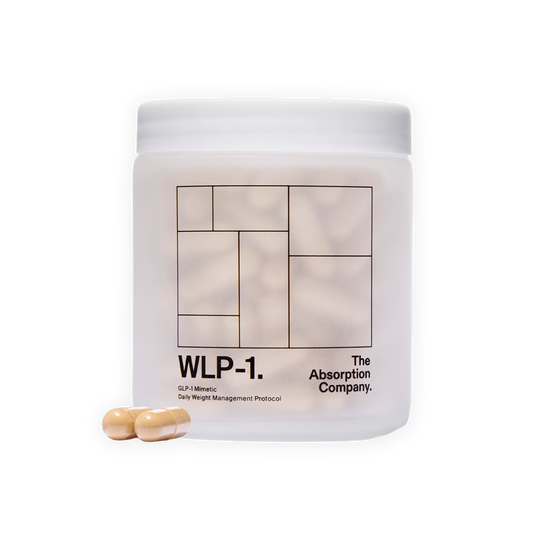
WLP-1™: Oral GLP-1 Support WLP-1™: Oral GLP-1 Support
WLP-1™: Oral GLP-1 Support
Burn More Calories at Rest & Control Appetite
From $53.53/mo $97.33*

Strikethrough price refers to one time purchase

Berberine Berberine
Berberine
Curb Cravings, Energy & Hormone Support
From $26.95/mo $49.00*

Strikethrough price refers to one time purchase

Share

Related Products

Ultimate Weight Management Stack
Full-Spectrum Weight Management Support
From $80.48/mo $146.33*

Strikethrough price refers to one time purchase

WLP-1™: Oral GLP-1 Support
Burn More Calories at Rest & Control Appetite
From $53.53/mo $97.33*

Strikethrough price refers to one time purchase

Berberine
Berberine
Curb Cravings, Energy & Hormone Support
From $26.95/mo $49.00*

Strikethrough price refers to one time purchase

Featured Posts

Leave a comment

Please note, comments must be approved before they are published.

This site is protected by hCaptcha and the hCaptcha Privacy Policy and Terms of Service apply.