Ever taken a handful of vitamins and wondered, "Is any of this actually getting into my body?" That concern sits at the center of one of the most overlooked concepts in nutrition: bioavailability. Some supplements do their job, while others move through your system without making much of an impact.
Here's the truth: 84% of nutrients in traditional supplements go unabsorbed. Only 16% of the nutrients you consume actually get absorbed into your body. That gap explains why a "perfect-on-paper" routine can still leave you feeling flat during workouts, foggy mid-afternoon, or frustrated when recovery never feels as smooth as it should.
So why does absorption fall short? Many nutrients come in large, stubborn molecules that struggle to pass through the intestinal wall. Some vitamins and minerals require carriers, proteins, or dietary fats from meals to move into the bloodstream efficiently. Chelated minerals are designed to be easier for your body to take in, giving nutrients a clearer path through the digestive bottleneck.
Bioavailability becomes a deciding factor between "maybe it's working" and results you can actually feel. Choosing formulas built for uptake, including bioavailable magnesium, can translate into steadier energy, clearer focus, stronger bones, and a more resilient immune system.
For example, traditional magnesium oxide absorbs at around 8%, while standard magnesium glycinate often falls in the 20–50% range. Even at the high end, a sizable portion never makes it to where it's needed. By contrast, our formula has reached a record-breaking 64% absorption rate, helping more magnesium make it through digestion and into your system, where it can actually support recovery, sleep quality, and everyday energy.
Bioavailability vs Absorption: Why Does It Matter?
At first glance, bioavailability and absorption sound interchangeable, but in practice, they handle different parts of the journey. Absorption describes how nutrients move from your digestive tract into the bloodstream. Bioavailability takes the next step, reflecting how much of those absorbed nutrients your body can actually use at the cellular level.
When one piece falls short, results can stall. A supplement may dissolve easily, yet deliver nutrients your cells struggle to recognize or activate. Another formula may contain highly usable nutrients, yet lose most of them during digestion. Real progress happens when both work together, guiding nutrients safely through digestion and into the systems that rely on them every day.
This is exactly why pairing high absorption magnesium products with high bioavailability vitamins can make daily routines feel more impactful. From steadier energy during workouts to smoother recovery and calmer evenings, the difference shows up when nutrients arrive ready to be put to work. If you're ready to explore tried-and-true formulations backed by science, our High Absorption Magnesium collection can help close the gap between what goes in and what your body actually uses.
How Capsoil® Nanotechnology Increases Surface Area and Uptake
Ever wondered why so many supplements fall short, even when you're sure you're doing everything right? It all comes down to absorption.
Using breakthrough Capsoil® nanotechnology, scientists have discovered a way to shrink nutrient particles down to nanometer size. The smaller the nutrient particle, the greater the surface area exposed for absorption in your gut. More surface area means more entry points, letting your body soak up vital nutrients.
But size isn't the only advantage. Capsoil® also wraps nutrient particles in a protective lipid layer, shielding them from harsh stomach acids and other digestive roadblocks. This means more of the good stuff survives the journey through your digestive system and actually reaches your bloodstream, ready for your cells to use.
The results show up in the numbers: our Capsoil® delivery approach offers up to 500% more absorption than conventional formulas. That shift can feel like finally getting a return on the effort you already put into eating well and training consistently. With smaller particles, a protective lipid layer, and thoughtful forms like chelated minerals through our Chelamax® technology, your body has a clearer path to actually take up what you're giving it.
Magnesium Glycinate: Highly Absorbable Calm Support
Now let's spotlight one of the most reliable, highly absorbable picks for everyday stress, sleep, and recovery: magnesium glycinate. This chelated mineral pairs magnesium with glycine, an amino acid known for its calming role in the body, which helps make bioavailable magnesium easier to take up and put to work.
Form matters when life already runs loud. Around 56–68% of Americans fail to get enough magnesium through food alone, and research links magnesium deficiency to issues many people face every day: fatigue, sleep disruption, nausea, numbness, and migraine headaches (Schwalfenberg et al., 2017). While magnesium oxide may move through the body, magnesium glycinate is better suited for real, high-absorption uptake, which translates into steadier relaxation, smoother muscle function, and more consistent sleep.
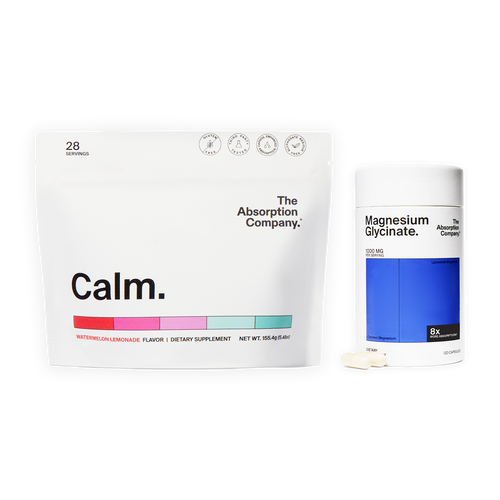
This is exactly why we formulate magnesium with absorption-first technology. Our dual absorption system combines Chelamax® chelated magnesium and Capsoil® liposomal delivery to reach a record-breaking 64% absorption rate. That's 8x more absorbed than magnesium oxide and 267% more absorbed than standard magnesium glycinate. All the benefits, none of the bathroom trips. If you're ready to feel results, try our Best Magnesium Glycinate.
Other Dietary Factors and Vitamins That Can Boost (or Block) Absorption
Ever wondered why your multivitamin doesn't always make you feel unstoppable? The answer lies in bioavailability. Your diet acts like a gatekeeper, either throwing the doors wide open for key nutrients or slamming them shut.
Potential Absorption Blockers
Even a solid supplement routine can hit speed bumps when certain foods and drinks crowd the same window. Many of these compounds show up in healthy staples, so the goal is timing and balance, not fear.
- Phytates and oxalates: Whole grains, beans, and spinach contain naturally occurring compounds that can bind to minerals and make them harder to absorb. Phytates get the most attention for magnesium, while oxalates tend to be more relevant for minerals like calcium. When a mineral supplement is taken alongside a high-phytate meal, uptake can take a dip.
- Fiber overload at the wrong time: Fiber does great things for digestion, yet a fiber-heavy meal taken right with mineral supplements can sometimes reduce uptake. A small timing shift can help, such as separating supplements from the highest-fiber meal of the day.
- Caffeine and tannins: Coffee and tea contain tannins that can interfere with iron absorption, and timing matters here. Spacing iron away from caffeine is often recommended, and this "separate the window" strategy can be helpful when dialing in any supplement routine.
- Other "anti-nutrients" in context: Foods can include compounds often grouped as anti-nutrients, such as lectins in legumes, glucosinolates and goitrogens in cruciferous vegetables, tannins, oxalates, and saponins (Harvard T.H. Chan School of Public Health, 2022). In typical amounts, these don't automatically derail a healthy diet. However, when taken in large quantities or stacked right on top of certain supplements, they could interfere with the absorption of minerals like iron, zinc, and calcium. Always be mindful and check in with your healthcare provider to determine the best course of action for your wellness routine.
High Bioavailability Vitamins
After timing and diet get dialed in, the next big lever is the form of the nutrient itself. On a week packed with workouts, deadlines, and too-late dinners, conversion gaps can feel like the invisible reason results stay quiet. That's why people hunting for the most bioavailable supplements pay close attention to forms the body can recognize quickly and use consistently.
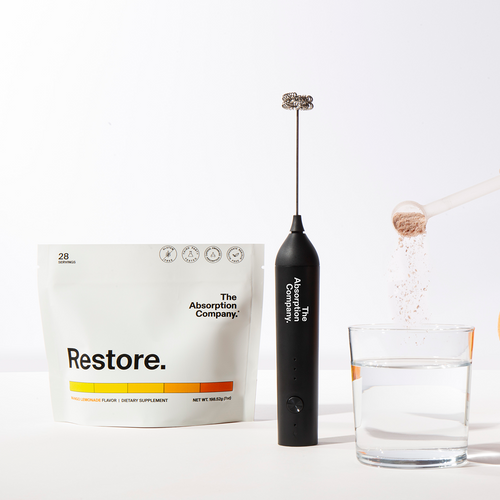
Active form vitamins: B vitamins come in active forms that the body can use more directly, which matters when the goal is steadier energy and sharper focus. Methylfolate (vitamin B9) is one example, and it appears in our formulas, including Restore, so the body gets a form that feels more "ready to go."
Methylated B vitamins: Mood and mental load often show up first when a routine feels off. Research connects methylated B vitamin complexes to short-term improvements in depressive and anxiety symptoms (Lewis et al., 2013).
Healthy fats for fat-soluble vitamins: Vitamins A, D, E, and K need dietary fat to absorb well. Pairing them with a meal that includes healthy fats can make these nutrients feel less "hit or miss" and more like a routine that finally sticks.
Chelated minerals: Chelated minerals are bound to amino acids or similar compounds, which can make them easier to absorb and gentler on digestion. Magnesium glycinate is a classic example, and it's one reason chelation stays on the radar for anyone chasing calmer nerves.
Liposomal delivery for key nutrients: Liposomal supplements use a lipid-based approach that helps protect delicate nutrients as they move through digestion. We use Capsoil® liposomal technology to help nutrients survive the trip.
Signs Your Current Supplement Isn't Working Out
So, how can you tell if your go-to capsules and powders just aren't cutting it? Let's break down the red flags.
- Midday energy crashes: A B-complex or iron routine can look great on paper, but low absorption can leave energy flat by lunchtime. If the afternoon slump feels baked into the day, poor uptake may be part of the story.
- Digestive pushback: Bloating, stomach discomfort, or a lingering "supplement burp" often signals that the body is struggling to break down larger particles or harsher forms. Gentler, absorption-first formats can make a noticeable difference here.
- Recovery that lags: Training consistently should come with progress, even if it's subtle. When soreness sticks around longer than expected, sleep feels choppy, or stress hits harder than usual, the issue may be a formula that never delivers enough usable nutrients.
- Hair, skin, and nails looking tired: Brittle nails, dull skin, and lifeless hair can point to nutrient gaps that never get fully addressed. Better absorption helps nutrients actually show up where they're meant to.
- Bright yellow urine after vitamins: A neon-yellow bathroom moment can mean excess B vitamins are passing through fast. That can happen for several reasons, yet it often raises the same question: how much is being used versus flushed out?
- Magnesium deficiency signals: Magnesium shortfalls can show up as fatigue, sleep issues, muscle tension, or headaches. Additionally, low vitamin D can be another sign tied to magnesium deficiency, since magnesium plays a role in vitamin D metabolism.
Sources:
- Schwalfenberg, G. K., & Genuis, S. J. (2017). The Importance of Magnesium in Clinical Healthcare. Scientifica, 2017, 4179326. https://doi.org/10.1155/2017/4179326
- Sinha, Raghu, et al. "Oral Supplementation with Liposomal Glutathione Elevates Body Stores of Glutathione and Markers of Immune Function." European Journal of Clinical Nutrition, 2018. PMID: 28853742.
- University of Nebraska–Lincoln. 8 magnesium deficiency symptoms and 9 high-magnesium foods. https://health.unl.edu/8-magnesium-deficiency-symptoms-and-9-high-magnesium-foods/
- National Institutes of Health, Office of Dietary Supplements. (2024, September 26). Magnesium: Fact sheet for health professionals. U.S. Department of Health & Human Services. https://ods.od.nih.gov/factsheets/Magnesium-HealthProfessional/
- Harvard T.H. Chan School of Public Health. (2022, January). Are anti-nutrients harmful? The Nutrition Source. https://nutritionsource.hsph.harvard.edu/anti-nutrients/
- Lewis, J. E., Tiozzo, E., Melillo, A. B., Leonard, S., Chen, L., Mendez, A., Woolger, J. M., & Konefal, J. (2013). The effect of methylated vitamin B complex on depressive and anxiety symptoms and quality of life in adults with depression. ISRN psychiatry, 2013, 621453. https://doi.org/10.1155/2013/621453
Disclaimer:
The information provided in this article is for general informational and educational purposes only and is not a substitute for professional medical advice, diagnosis, or treatment. Always seek the guidance of your physician or other qualified health provider with any questions you may have regarding your health or a medical condition. Never disregard or delay seeking professional medical advice because of something you have read here.
FDA Disclaimer:
These statements have not been evaluated by the Food and Drug Administration. The products are not intended to diagnose, treat, cure, or prevent any disease.