While hair loss is not considered a direct effect of Ozempic, some people notice increased shedding after starting the medication. In many cases, rapid weight loss is the more likely cause.
When the body undergoes significant weight loss, it redirects energy and nutrients toward essential functions. Metabolically expensive hair growth often gets deprioritized, and this process, known as telogen effluvium, causes noticeable shedding weeks or even months after weight loss begins.
This can lead to temporary shedding, often several weeks or months after weight loss begins. Hair loss from semaglutide is most often traced back to nutritional gaps rather than the medication itself. The more appetite is suppressed, the harder it becomes to meet your body's nutrient requirements.
How Weight Loss Can Affect Hair Growth
Hair follicles are sensitive to systemic change. When calorie intake drops significantly, protein, vitamins, and minerals that normally cycle into hair growth become less available.
Protein is particularly relevant here. Hair is made almost entirely of keratin, a structural protein, and chronically low protein intake is one of the most common drivers of weight-loss-related shedding. Micronutrients like Vitamin D, zinc, and B vitamins also play documented roles in the hair growth cycle, and ozempic hair thinning often reflects declining levels of these nutrients over time.
The good news is that this type of shedding is usually temporary. As nutritional status stabilizes, the hair growth cycle tends to normalize.
How to Stop Hair Loss From Ozempic
Stopping Ozempic side effects hair loss starts with addressing the inputs your body is missing. These are the areas that most directly affect hair health during a period of rapid change.
- Prioritize protein intake: Hair is built from protein, and falling short on daily intake is one of the fastest ways to trigger shedding during weight loss. Aim for high-quality sources like eggs, Greek yogurt, legumes, or lean meats at each meal, since these deliver the amino acids follicles need to stay in the growth phase.
- Focus on micronutrient-dense foods: Vitamins and minerals, including Vitamin D, iron, zinc, and B vitamins, play active roles in the hair growth cycle. Prioritizing foods like leafy greens, fatty fish, and seeds helps fill the gaps that reduced appetite creates.
- Stay consistently hydrated: Dehydration affects circulation and nutrient delivery throughout the body, compounding the effects of reduced food intake on hair health. Electrolyte balance matters as much as water volume, particularly when overall food intake is low.
- Avoid restrictive eating patterns: Severe calorie restriction accelerates nutrient depletion and raises the likelihood of hair shedding linked to weight loss. Eating a wider variety of foods, even in smaller amounts, keeps nutrient intake more balanced throughout the process.
- Give the process time: Hair grows in cycles, and recovery from telogen effluvium typically takes three to six months. Consistent nutritional habits are what move that timeline forward.
Nutrients That May Support Healthy Hair During Weight Loss
Nutrient gaps are the central issue behind most cases of hair loss from semaglutide. The following nutrients are most directly tied to hair cycle health, and absorption makes a critical difference in each case.
Vitamin D
Vitamin D activates hair follicles and regulates the immune environment around them. Appetite suppression makes it harder to get adequate Vitamin D from food alone, and most standard Vitamin D supplements absorb poorly without dietary fat. Our D3+K2 Ultra uses Capsoil nano-powder technology to deliver the functional impact of 5,000 IU with just 2,600 IU, absorbing 1.9x more than conventional oil-based Vitamin D, even on an empty stomach.
Hydration And Electrolytes
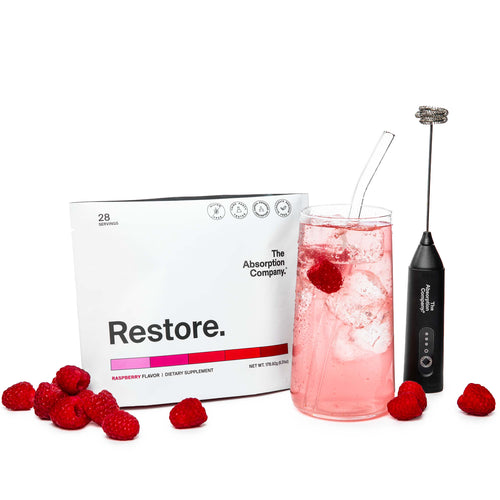
Reduced food intake often means reduced electrolyte intake as well. Sodium, potassium, and magnesium regulate fluid balance at the cellular level, and when they drop, the body's ability to deliver nutrients to peripheral tissues, including hair follicles, is compromised. Our Restore support delivers liposomal electrolytes and Vitamin C in a form the body can actually absorb and use.
Nutrient Replenishment Matters
The harder problem is not which nutrients to take, but how much of each reaches your bloodstream. Studies show that about 16% of the nutrients in standard supplements get absorbed. Our GLP-1 nutrient support stack is built for exactly this scenario, pairing electrolyte hydration with Vitamin D3+K2 in a pharmaceutical-grade, absorption-optimized formula designed for the nutritional demands of weight loss.
Why The Absorption Company Is the Missing Piece of the Puzzle
At The Absorption Company, we are the only supplement company dedicated to solving the problem of nutrient absorption. Our supplements are scientifically formulated using Capsoil technology so that nutrients reach your cells rather than passing through unabsorbed. More absorption means more benefit from every capsule, which matters most when your nutritional baseline is already under strain.
Our WLP1 oral GLP-1 support is a first-of-its-kind bioavailable formula that activates natural GLP-1 pathways without harsh stimulants or needles. Pairing metabolic support with proper nutrient replenishment gives the body the foundation it needs to manage weight and maintain overall health.
Disclaimer:
The information provided in this article is for general informational and educational purposes only and is not a substitute for professional medical advice, diagnosis, or treatment. Always seek the guidance of your physician or other qualified health provider with any questions you may have regarding your health or a medical condition. Never disregard or delay seeking professional medical advice because of something you have read here.
FDA Disclaimer:
These statements have not been evaluated by the Food and Drug Administration. The products are not intended to diagnose, treat, cure, or prevent any disease.