What's the actual difference between liposomal and regular glutathione? And more importantly, is liposomal glutathione actually better, or is it marketing hype?
The Basics: Regular Glutathione
Regular glutathione, sometimes called "reduced glutathione," usually comes in capsules or powders. It's the classic option you'll find on health store shelves. The challenge: your digestive system can be harsh. Stomach acids and digestive enzymes break down the delicate glutathione molecule before it reaches your bloodstream. Studies suggest that only about 16% of nutrients from standard oral supplements end up where you need them.
Liposomal Glutathione: The Science-Backed Upgrade
Liposomal glutathione solves an age-old problem: getting more of the nutrient into your system. Liposomal formulas encapsulate glutathione inside tiny fat-like particles called liposomes. Think of them as microscopic delivery vehicles, ferrying their cargo past the digestive system's roadblocks. This smart packaging helps shield the glutathione from stomach acids, allowing far more of it to be absorbed through your gut wall and into your bloodstream.
Bioavailability: The Core Debate
When it comes to bioavailability, liposomal glutathione can deliver up to 5x more active ingredient into your bloodstream than regular forms. Better absorption means more glutathione where your body needs it, supporting your health and wellness goals more effectively.
The Bottom Line
If your goal is maximum absorption, liposomal technology offers clear advantages. More absorption equals more benefits. Your supplements should work as hard as you do.
Antioxidant Power: Does Formulation Affect Efficacy?
Glutathione is your daily defender against oxidative stress, environmental toxins, and free radicals. But does the way glutathione is delivered—liposomal vs regular—actually change how well it works in your body?
The answer is yes. Regular glutathione supplements, usually found in pill or powder form, face a daunting challenge: your digestive system. Stomach acid breaks glutathione down before it has a chance to support your antioxidant defenses. This leads to absorption rates that may hover in the frustratingly low single digits.
Liposomal glutathione wraps the glutathione molecule in a microscopic fatty layer called a liposome. Liposomes act like stealth vehicles, helping nutrients cruise past stomach acid and reach your small intestine, where absorption happens. Research suggests that this method can result in significantly greater bioavailability compared to conventional forms. The more glutathione in your bloodstream, the more antioxidant power available where your body needs it most.
Efficacy isn't just about numbers. It's about results you can feel. Higher absorption means more glutathione is available to support detoxification, protect your cells from everyday damage, and maintain the antioxidant defense your body relies on.
Comparing Bloodstream GSH Levels After Supplementation
How much glutathione actually makes it into your bloodstream when you supplement? If you're taking tablets or mixing powders into your water but still struggling with low energy, dull skin, or sluggish recovery, the answer might surprise you.
Traditional glutathione supplements—regular capsules and powders—face a harsh journey through your digestive system. Enzymes and stomach acids break down much of the glutathione before it gets absorbed by your gut. Studies suggest that with standard oral glutathione, as little as 16% of the nutrient survives this process and reaches your bloodstream.
Liposomal glutathione changes the equation. A "liposome" is essentially a microscopic lipid bubble that encapsulates the glutathione. The nutrient is shielded as it travels through your digestive tract. Research has found that liposomal glutathione can result in substantially higher blood levels of GSH after supplementation, with up to 5x increased absorption compared to traditional forms.
When you ask, "Is liposomal glutathione better?" the answer, in terms of bloodstream levels and bioavailability, is backed by data.
Why Liposomal Glutathione Absorption Reigns Supreme
Does liposomal glutathione truly outperform its regular counterpart? Research confirms that oral glutathione has a challenging reputation when it comes to absorption. In standard non-liposomal form, much of the glutathione you swallow is degraded in the stomach, with only a small fraction ever making it into your bloodstream.
Studies have shown that encapsulating glutathione in liposomes significantly improves its bioavailability. Research indicates that subjects using liposomal glutathione experienced marked increases in blood glutathione levels compared to those using traditional glutathione supplements. The improved delivery allows glutathione to slip past digestive roadblocks and enter circulation more intact, supporting the body's antioxidant defense and detoxification processes.
By surrounding each glutathione molecule with a protective fat-based layer, liposomes protect it from stomach acid and digestive enzymes, helping more of it survive the journey to the small intestine, where absorption happens. The result: higher plasma concentrations and better support for oxidative stress management.
Immune Function Markers and Glutathione Status
Why do health experts emphasize glutathione when it comes to your immune system? Think of this master antioxidant as your body's personal security detail, working around the clock to handle oxidative stress and neutralize free radicals.
Healthy glutathione levels are linked to important immune markers, like white blood cell activity, lymphocyte function, and the body's overall ability to support immune response. Research indicates that low glutathione status is associated with higher inflammation, slower immune responses, and increased vulnerability to environmental stressors.
How well your supplement boosts glutathione in your bloodstream directly impacts your immune defenses. Traditional glutathione pills often don't make it through the harsh digestive tract intact. Liposomal glutathione encases glutathione in tiny fat bubbles (liposomes), acting like a stealth vehicle that successfully ferries active glutathione past digestive obstacles and helps maintain healthy blood levels that support actual immune function.
Brain and Cognitive Benefits Linked to Higher GSH Levels
What's powering your brain's sharpness day after day? Glutathione (GSH) is one of the most critical antioxidants in your body, especially when it comes to cognitive vitality.
Higher levels of glutathione have been linked to better cognitive performance, memory retention, and support for age-related cognitive health. Scientists have found that GSH helps neutralize oxidative stress in the brain, supporting everything from faster learning to clearer thinking. That's valuable for anyone focused on productivity, mental agility, or juggling the demands of a busy day.
GSH also plays a role in supporting important neurotransmitters—those tiny messengers responsible for mood, motivation, and concentration. When glutathione levels are optimal, your body has the resources it needs to support executive function, emotional balance, and the calm focus so many people crave.
How To Stack Glutathione with Other Nutrient Powerhouses
Can pairing glutathione with other nutrients amplify its benefits? Absolutely. While glutathione is rightly celebrated as the body's "master antioxidant," it thrives in synergy with other powerhouse nutrients.
Glutathione is constantly in demand, especially during times of stress, intense workouts, or when your body's fighting off free radicals. Its levels can be depleted, and replenishing them with standard supplements is less effective if your body isn't absorbing them well. Which nutrients should you pair with your glutathione for optimal impact?
- Vitamin C: This dynamic duo isn't just a catchy phrase. Vitamin C can help recycle oxidized glutathione, essentially recharging its antioxidant capacity in your cells.
- Alpha Lipoic Acid (ALA): ALA supports both intracellular and extracellular glutathione activity. It helps generate more glutathione from within, supporting your cellular defense system from multiple angles.
- N-Acetyl Cysteine (NAC): Think of NAC as the raw material that your body uses to manufacture glutathione naturally. Pairing them gives your body both the building blocks and the finished product, supporting your antioxidant protection.
- Selenium: This trace mineral is important for the activity of glutathione peroxidase, an enzyme that uses glutathione to support neutralization of harmful compounds.
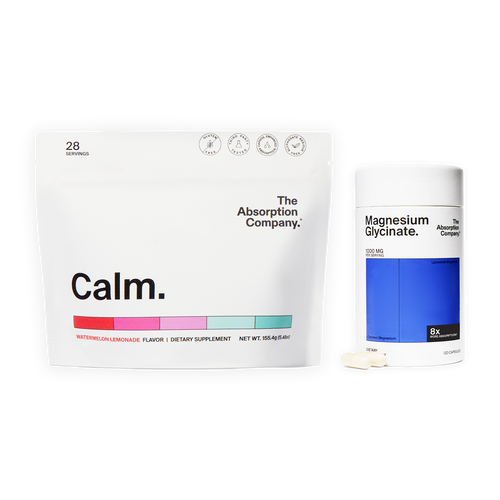
- Magnesium: Magnesium is crucial for glutathione synthesis and recycling. Your body needs adequate magnesium to produce glutathione at the cellular level. Pairing high absorption magnesium with glutathione ensures your body has the mineral foundation it needs to maximize antioxidant protection.
Stacking these nutrients means you're not just relying on one tool. You're equipping your body with an entire toolkit, supporting resilience, optimizing recovery, and giving your cells comprehensive support.
Sources:
- Klihada, F. (2023, February 3). Relationship between glutathione and the immune system. Oxidants and Antioxidants in Medical Science. https://www.ejmoams.com/ejmoams-articles/relationship-between-glutathione-and-the-immune-system-95869.html
- Kerksick, C., & Willoughby, D. (2005). The antioxidant role of glutathione and N-acetyl-cysteine supplements and exercise-induced oxidative stress. Journal of the International Society of Sports Nutrition, 2(2), 38–44. https://doi.org/10.1186/1550-2783-2-2-38
- Atkuri, K. R., Mantovani, J. J., Herzenberg, L. A., & Herzenberg, L. A. (2007). N-Acetylcysteine--a safe antidote for cysteine/glutathione deficiency. Current opinion in pharmacology, 7(4), 355–359. https://doi.org/10.1016/j.coph.2007.04.005
- Yin, N., Harris, P. W. R., Liu, M., Sun, J., Chen, G., Wen, J., & Brimble, M. A. (2025). Enhancing the Oral Bioavailability of Glutathione Using Innovative Analogue Approaches. Pharmaceutics, 17(3), 385. https://doi.org/10.3390/pharmaceutics17030385
- Liu, W., Shi, L. J., & Li, S. G. (2019). The Immunomodulatory Effect of Alpha-Lipoic Acid in Autoimmune Diseases. BioMed research international, 2019, 8086257. https://doi.org/10.1155/2019/8086257
Disclaimer:
The information provided in this article is for general informational and educational purposes only and is not a substitute for professional medical advice, diagnosis, or treatment. Always seek the guidance of your physician or other qualified health provider with any questions you may have regarding your health or a medical condition. Never disregard or delay seeking professional medical advice because of something you have read here.