The Absorption Company
Skip to main content
Main Menu
Shop Learn Best Sellers Stack & Save35% Off
0

Explore how GLP-1 affects kidney health, including potential benefits, risks, and daily habits that support kidney function during treatment.

780 clinicians share The Absorption Company on FrontrowMD without compensation.
Learn more.

Key Takeaways:

  • Direct and Indirect Effects: GLP-1 receptor agonists can influence kidney health through both direct kidney action and improvements in metabolic factors like blood sugar and blood pressure.
  • Potential Kidney Protection: Research suggests GLP-1 therapy may help preserve kidney function and reduce albuminuria in certain people with Type 2 Diabetes or Chronic Kidney Disease.
  • Hydration and Monitoring Matter: Staying hydrated, monitoring kidney function, and addressing persistent gastrointestinal symptoms can help protect the kidneys during GLP-1 therapy.


More often than not, kidney health probably isn’t the first thing that comes to mind during a conversation about GLP-1. Still, GLP-1 can affect several processes that matter to the kidneys, including blood sugar, blood pressure, and fluid balance.

The Absorption Company focuses on solving poor supplement absorption through pharmaceutical-grade formulas designed to help the body get more benefit from the nutrients it takes in.

In this piece, explore the GLP-1 kidney health connection, from potential protective effects to possible concerns and practical ways to support healthy kidney function.

image_ratios_17_1

SEE THE COLLECTION

How GLP-1 Works In The Kidneys

The kidneys work like highly selective filters that constantly decide what stays in the bloodstream and what leaves through urine. GLP-1 receptor agonists may influence this process by affecting sodium handling and blood flow within the kidneys, which can help regulate the pressure placed on their tiny filtering units.

GLP-1 also improves blood sugar control and may reduce blood pressure, inflammation, and oxidative stress, all factors that can place extra strain on the kidneys over time. These direct and indirect effects help explain why researchers are studying GLP-1 therapies for their potential role in protecting kidney function, particularly in people with Type 2 Diabetes and Chronic Kidney Disease.


How GLP-1 Affects Kidney Function And Health

Changes in filtration, urine protein, and metabolic stress help paint a clearer picture of GLP-1 kidney health:


May Help Preserve Kidney Filtration

GLP-1 receptor agonists may slow declines in kidney function and reduce certain kidney-related outcomes, particularly in people with Type 2 Diabetes or Chronic Kidney Disease. The kidneys may hold onto their filtering ability for longer instead of gradually becoming less efficient. 


May Reduce Protein In The Urine

Albumin in the urine can signal that the kidneys’ tiny filters are allowing protein to leak through when it should remain in the bloodstream. Studies have found that GLP-1 receptor agonists can reduce albuminuria, which is one important marker doctors use to track kidney health.


May Reduce Metabolic Stress On Kidney Function

Blood sugar, blood pressure, and excess body weight can place additional strain on the kidneys, highlighting the close relationship between metabolic health kidneys, and long-term function. Improvements in these factors are part of the bigger picture researchers consider when studying the long term effects of GLP-1.


Kidney Health Still Needs Monitoring

For anyone asking, “Is GLP-1 Safe for Long Term Use?”, kidney health is one part of the overall safety conversation. Persistent vomiting or diarrhea can lead to dehydration and potentially Acute Kidney Injury, so maintaining fluid intake and discussing ongoing kidney monitoring with a healthcare professional can be important.

Soak It All In

Sign up for wellness tips, the latest in supplement science, and first access to new products.

GLP-1 Diabetes Kidney Risk

Diabetes can quietly strain the kidneys for years, making the relationship between GLP-1 therapy and kidney risk especially important to understand:

  • High Blood Sugar Can Damage Kidney Filters: Persistently high blood sugar can damage the kidneys' small blood vessels and filtering units over time, increasing the risk of Chronic Kidney Disease. Someone who has lived with elevated glucose levels for years, for example, may already have subtle kidney changes before symptoms appear. 
  • GLP-1 May Help Lower Kidney Risk: For people with Type 2 Diabetes and Chronic Kidney Disease, GLP-1 receptor agonists can reduce albuminuria and may slow the decline in kidney filtration.
  • Dehydration Can Put the Kidneys Under Stress: Nausea, vomiting, or diarrhea from GLP-1 therapy can reduce fluid intake or increase fluid loss, so persistent symptoms deserve attention, particularly for someone who already has impaired kidney function.
  • Existing Kidney Disease Changes the Conversation: Chronic Kidney Disease can affect medication decisions, making kidney function, other medications, and the specific GLP-1 therapy important factors for a healthcare professional to consider.


How To Support Kidney Health While Using GLP-1

Supporting GLP-1 renal health comes down to protecting the kidneys from unnecessary stress while giving the body what it needs to function well:


Stay Consistent With Hydration

Good GLP-1 hydration matters because nausea, vomiting, diarrhea, or reduced appetite can make it surprisingly easy to fall behind on fluids. Drinking regularly throughout the day can help the kidneys maintain blood flow and filter waste, though individual fluid needs may differ for people with kidney or heart conditions.


Keep An Eye On Kidney Function

Blood and urine tests can help track estimated Glomerular Filtration Rate (eGFR), creatinine, and albumin, offering a clearer picture of how the kidneys are doing over time. Regular monitoring becomes especially important for people with Diabetes, Chronic Kidney Disease, or persistent gastrointestinal side effects.


Give The Kidneys Nutritional Support

A balanced diet with adequate protein, vitamins, minerals, and other nutrients supports overall health, but more is not always better for kidneys that are already under strain. Supplement choices should account for kidney function because certain nutrients and herbal ingredients can accumulate or interact with medications.


Pay Attention To Persistent Side Effects

An occasional upset stomach may be manageable, but ongoing vomiting or diarrhea can drain fluids faster than they are replaced. Contacting a healthcare professional early can help prevent dehydration from becoming a more serious kidney concern.

Final Thoughts

For many people using GLP-1, supporting kidney health can fit naturally into everyday care through good hydration, regular checkups, and attention to how the body responds. The potential kidney benefits of GLP-1 are encouraging alongside improvements in blood sugar, blood pressure, and overall metabolic health. With regular monitoring and guidance from a healthcare professional, you can feel more confident about keeping your kidneys supported throughout your GLP-1 journey. 


Frequently Asked Questions About GLP-1 Kidney Health

Does age affect GLP-1 kidney considerations?

Age can matter because kidney function naturally changes over time and may influence medication and monitoring decisions.


Can high-protein diets affect kidney health during GLP-1 use?

Protein needs vary, and people with impaired kidney function may need individualized guidance on how much protein is appropriate.


What kidney symptoms should someone taking GLP-1 take seriously?

A major drop in urination, persistent swelling, severe weakness, or other sudden changes should prompt medical attention.


Can GLP-1 medications be started if kidney function is already reduced?

Some GLP-1 receptor agonists can be used with reduced kidney function, but suitability depends on the specific medication and individual health status.


Does stopping GLP-1 affect kidney health?

Kidney-related benefits associated with treatment may change after GLP-1 therapy is stopped, particularly if blood sugar, weight, or blood pressure also changes.


Can family history of kidney disease matter before starting GLP-1?

Sharing a family history of kidney disease can give a healthcare professional useful context when assessing overall kidney risk. 


Disclaimer:

The information provided in this article is for general informational and educational purposes only and is not a substitute for professional medical advice, diagnosis, or treatment. Always seek the guidance of your physician or other qualified health provider with any questions you may have regarding your health or a medical condition. Never disregard or delay seeking professional medical advice because of something you have read here.

FDA Disclaimer:

These statements have not been evaluated by the Food and Drug Administration. The products are not intended to diagnose, treat, cure, or prevent any disease.


Sources:

  1. National Kidney Foundation. (2024, September 16). GLP-1 receptor agonists (GLP-1 RAs). https://www.kidney.org/kidney-topics/glp-1-receptor-agonists-glp-1-ras  
  2. Dong, S., & Sun, C. (2022). Can glucagon-like peptide-1 receptor agonists cause acute kidney injury? An analytical study based on post-marketing approval pharmacovigilance data. Frontiers in endocrinology, 13, 1032199. https://doi.org/10.3389/fendo.2022.1032199

Don’t Miss These

Works well with SELF-CARE

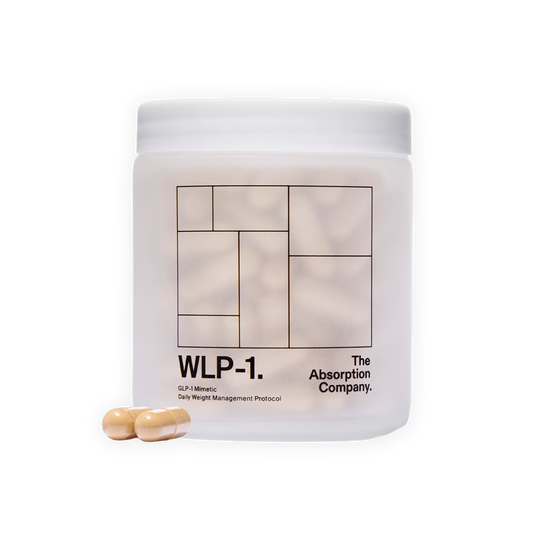
WLP-1™: Oral GLP-1 Support WLP-1™: Oral GLP-1 Support
WLP-1™: Oral GLP-1 Support
Burn More Calories at Rest & Control Appetite
$69.00/mo $99.00*

Strikethrough price refers to one time purchase

Share

Related Products

WLP-1™: Oral GLP-1 Support
Burn More Calories at Rest & Control Appetite
$69.00/mo $99.00*

Strikethrough price refers to one time purchase

Featured Posts

Leave a comment

Please note, comments must be approved before they are published.

This site is protected by hCaptcha and the hCaptcha Privacy Policy and Terms of Service apply.