The Absorption Company
Skip to main content
Main Menu
Shop Learn Best Sellers Stack & Save35% Off
0

Get the facts on Ozempic and thyroid cancer with The Absorption Company. See what current research says about the warning, risks, and safety concerns.

780 clinicians share The Absorption Company on FrontrowMD without compensation.
Learn more.

Key Takeaways:

  • The Warning Has Context: The thyroid cancer warning associated with Ozempic originated from thyroid C-cell tumors observed in animal studies, while a causal relationship in humans has not been established.
  • Medical History Matters: A personal or family history of medullary thyroid carcinoma or MEN 2 means Ozempic should not be used.
  • Stay Alert to Changes: New neck swelling, persistent hoarseness, trouble swallowing, or shortness of breath should be reported promptly to a healthcare provider.


Concerns about Ozempic and thyroid cancer can make an already personal health decision feel more complicated. The medication carries a boxed warning about thyroid C-cell tumors, but understanding where that warning comes from and what human research shows can put the risk into clearer perspective.

In this piece, we’ll explain the research on Ozempic and thyroid cancer, the reason for the warning, who may be at greater risk, and the thyroid symptoms to watch for.

image_ratios_17_1

SEE THE COLLECTION

What Research Says About Ozempic And Thyroid Cancer

The concern around Ozempic and thyroid cancer began with animal studies in which semaglutide caused thyroid C-cell tumors in rodents, leading the FDA to require a boxed warning (FDA Prescribing Information, 2026). If you’ve been researching medullary thyroid cancer Ozempic concerns, this animal data is largely where the warning comes from, but it does not prove that the medication causes thyroid cancer in humans.

Large human studies have generally not shown a clear increase in thyroid cancer risk among people using GLP-1 receptor agonists, including a large cohort study across three countries that found no significant increase in risk compared with a similar diabetes medication (The BMJ, 2024), although researchers continue to monitor long-term safety. Current evidence is reassuring, but anyone with a personal or family history of medullary thyroid carcinoma (MTC) or Multiple Endocrine Neoplasia syndrome type 2 (MEN 2) should not use Ozempic and should discuss other options with their healthcare provider.


Has Anyone Got Thyroid Cancer From Ozempic?

Thyroid cancers have been reported in people taking semaglutide and other GLP-1 medications, but a diagnosis occurring after someone starts a drug does not mean the drug caused it. Some observational studies have raised questions about Ozempic linked to thyroid cancer, while other large studies have not found evidence of a meaningful increase in thyroid cancer risk.

Think of it as spotting two events on the same timeline: researchers still have to determine whether one caused the other or whether they happened together for unrelated reasons. So far, human evidence has not established that Ozempic causes thyroid cancer, but continued monitoring matters because thyroid cancers can develop over long periods.

Soak It All In

Sign up for wellness tips, the latest in supplement science, and first access to new products.

Thyroid Symptoms To Watch While Taking Ozempic

Thyroid changes can be subtle at first, so knowing which symptoms deserve medical attention can help you respond promptly:

  • A Lump or Swelling in Your Neck: A new lump, swelling, or fullness in the front of your neck should be checked by a healthcare provider, especially if it persists or grows.
  • Persistent Hoarseness: A voice that becomes unusually hoarse and stays that way can signal pressure or changes around the thyroid and deserves medical evaluation.
  • Trouble Swallowing: Difficulty or discomfort when swallowing can occur when a thyroid growth presses against nearby structures in the neck.
  • Shortness of Breath: New or unexplained trouble breathing can be a warning sign of pressure around the airway and requires prompt medical attention.
  • Ongoing Neck or Throat Discomfort: Persistent pain or discomfort around the front of the neck or throat is worth discussing with your healthcare provider, particularly if it appears alongside swelling or voice changes.


What To Know Before Taking Ozempic

Starting Ozempic means understanding what the medication does, where its risks fit into the picture, and what your health history may mean for treatment:


Know What Ozempic Does

Ozempic contains semaglutide, a GLP-1 receptor agonist that helps manage blood sugar by stimulating insulin release, suppressing glucagon, and slowing gastric emptying. It can also reduce appetite, which helps explain why weight loss may occur during treatment.


Review Your Medical History

Tell your healthcare provider about your personal and family medical history, especially medullary thyroid carcinoma (MTC), Multiple Endocrine Neoplasia syndrome type 2 (MEN 2), pancreatitis, diabetic retinopathy, or kidney problems. Ozempic should not be used by people with a personal or family history of MTC or those with MEN 2.


Consider Your Medications And Supplements

Share your prescriptions, over-the-counter medications, vitamins, herbs, and supplements with your healthcare provider so they can consider your complete routine. This is especially important because Ozempic slows stomach emptying, which can influence how quickly some oral medications are absorbed.


Learn From Other Experiences

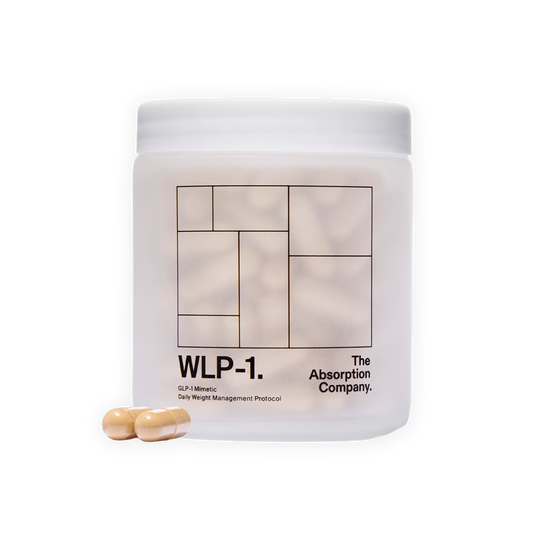
Reading WLP-1 Reviews can offer useful insight into how people have incorporated the supplement into their wellness routines and what their experiences have been. Pairing those perspectives with information about the formulation and its intended nutritional support can help you have a more informed conversation with your healthcare provider.

Final Thoughts

Current research has not established a clear causal link between Ozempic and thyroid cancer in humans, but the boxed warning remains important for people with specific thyroid cancer risks. Anyone with a personal or family history of medullary thyroid carcinoma or MEN 2 should avoid Ozempic, while others should review their medical history and potential risks with their healthcare provider. Ultimately, decisions about Ozempic should be guided by individual risk factors, expected benefits, and ongoing medical supervision.


Frequently Asked Questions About Ozempic And Thyroid Cancer

Does Ozempic Affect Thyroid Hormone Levels?

Ozempic is not known to directly alter thyroid hormone production, although individual thyroid conditions should still be managed with your healthcare provider.


Can You Take Ozempic If You Have Hypothyroidism?

Having hypothyroidism does not automatically prevent someone from using Ozempic, but treatment should be discussed with a healthcare provider familiar with your thyroid health.


Can You Take Ozempic With Hashimoto’s Disease?

Hashimoto’s disease is not listed as a contraindication to Ozempic, but your healthcare provider should consider your complete medical history before prescribing it.


Should Thyroid Blood Tests Be Done Before Starting Ozempic?

Routine thyroid blood testing is not specifically required by the Ozempic prescribing information, though your healthcare provider may recommend testing based on your medical history.


Can Ozempic Interact With Thyroid Medication?

Because Ozempic delays stomach emptying, people taking oral thyroid medication should discuss dosing, monitoring, and absorption considerations with their healthcare provider.


Are All Types of Thyroid Cancer a Concern With Ozempic?

The boxed warning specifically focuses on thyroid C-cell tumors and medullary thyroid carcinoma rather than every type of thyroid cancer.


Does the Dose of Ozempic Change the Thyroid Cancer Risk?

Human research has not established a clear relationship between higher Ozempic doses and greater thyroid cancer risk.


Does Taking Ozempic for Longer Increase Thyroid Cancer Risk?

Current human evidence has not established that longer use of Ozempic increases thyroid cancer risk, though long-term safety continues to be studied.


Disclaimer:

The information provided in this article is for general informational and educational purposes only and is not a substitute for professional medical advice, diagnosis, or treatment. Always seek the guidance of your physician or other qualified health provider with any questions you may have regarding your health or a medical condition. Never disregard or delay seeking professional medical advice because of something you have read here.

FDA Disclaimer:

These statements have not been evaluated by the Food and Drug Administration. The products are not intended to diagnose, treat, cure, or prevent any disease.


Sources:

  1. Pasternak, B., Wintzell, V., Hviid, A., Eliasson, B., Gudbjörnsdottir, S., Jonasson, C., Hveem, K., Svanström, H., Melbye, M., & Ueda, P. (2024). Glucagon-like peptide 1 receptor agonist use and risk of thyroid cancer: Scandinavian cohort study. BMJ, 385, e078225. https://doi.org/10.1136/bmj-2023-078225
  2. U.S. Food and Drug Administration. (2026). Highlights of prescribing information: RYBELSUS and OZEMPIC tablets. https://www.accessdata.fda.gov/drugsatfda_docs/label/2026/213051s030lbl.pdf

Don’t Miss These

Works well with SELF-CARE

WLP-1™: Oral GLP-1 Support WLP-1™: Oral GLP-1 Support
WLP-1™: Oral GLP-1 Support
Burn More Calories at Rest & Control Appetite
$69.00/mo $99.00*

Strikethrough price refers to one time purchase

Share

Related Products

WLP-1™: Oral GLP-1 Support
Burn More Calories at Rest & Control Appetite
$69.00/mo $99.00*

Strikethrough price refers to one time purchase

Featured Posts

Leave a comment

Please note, comments must be approved before they are published.

This site is protected by hCaptcha and the hCaptcha Privacy Policy and Terms of Service apply.