Berberine is a naturally occurring plant compound found in herbs such as barberry, goldenseal, and Oregon grape, where it gives the plants their characteristic yellow color. The compound belongs to a class of alkaloids used in traditional herbal practices for centuries and is now widely studied for its metabolic properties.
Polycystic ovary syndrome (PCOS) is a common hormonal condition that affects the ovaries and influences reproductive health, metabolism, and hormone levels. When hormones become imbalanced, regular ovulation is disrupted and a wide range of symptoms can follow, including insulin resistance, weight gain, irregular cycles, and blood sugar fluctuations that can make daily life harder to manage.
Why Berberine And PCOS Are Closely Linked
The connection between berberine and PCOS centers on metabolic function. Insulin resistance is often the first domino in PCOS that directly influences hormone output, androgen production, fat storage, and cravings. Berberine targets these same metabolic pathways, and that’s why so many women managing PCOS turn to it as part of their daily routine.
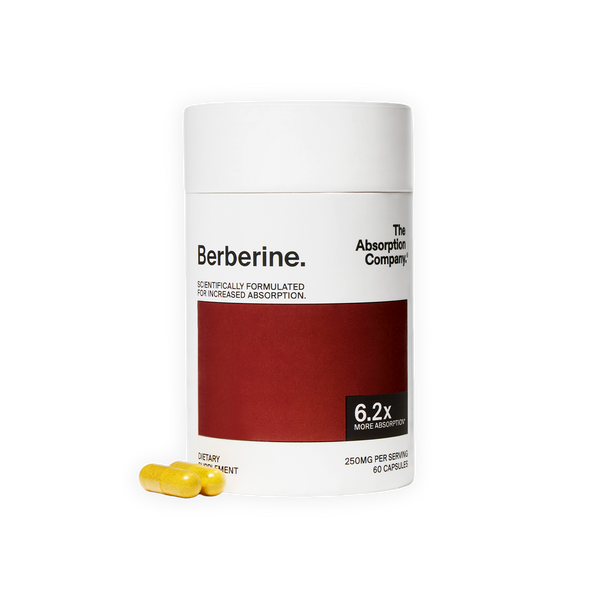
However, standard berberine absorbs at roughly 0.68%, meaning most of what you take never reaches your bloodstream. Our Berberine uses FenuMat® hybrid-hydrogel technology to deliver 6.2x higher absorption, overcoming the gut barriers that make standard berberine so difficult for your body to use. The result is the functional equivalent of 1,500mg of absorbed berberine per dose, with 7x fewer reports of GI discomfort in human trials compared to standard berberine hydrochloride.
Benefits Of Berberine For PCOS
Interest in berberine for PCOS has continued to grow as more people look for natural ways to support metabolic and hormonal health.
Supports Healthy Blood Sugar And Insulin Function
Insulin acts like a messenger that helps move sugar from your bloodstream into your cells, and PCOS can make this process less efficient. Berberine helps support healthy blood sugar levels and normal insulin function, making it an important part of metabolic wellness. For women with PCOS, this can mean steadier energy throughout the day and a system that responds better to the food you eat.
Helps Manage Sugar Cravings
Blood sugar fluctuations make cravings hard to ignore, often triggering a cycle of reaching for quick-energy foods that spike blood sugar again. Berberine supports balanced blood sugar metabolism, which may help reduce the intensity of those cravings so that healthier choices feel less like a constant battle.
Supports Healthy Weight Management
Many women with PCOS find that managing their weight becomes more challenging because hormonal and metabolic changes can influence how the body uses energy. Berberine supports metabolic health, which may complement a balanced diet and regular physical activity as part of a healthy weight management plan.
Promotes Hormonal Balance
Hormones work together like members of the same team, so when one falls out of sync, the others can be affected too. By supporting healthy metabolic function, berberine may also help promote a healthier hormonal environment. Women using berberine for PCOS often report gradual improvements in energy, mood, and cycle regularity alongside the metabolic benefits.
When Is The Best Time To Take Berberine?
The best time to take berberine is with a meal, when your body is actively processing nutrients from your food, making it a practical time to take your supplement. Taking it around the same time each day helps establish a consistent routine, and over time, that consistency gives your body the best chance to get the most from your supplement.
Choosing The Best Berberine Supplement For PCOS
Selecting a high-quality berberine supplement starts with looking beyond the label and understanding what supports both quality and absorption.
Prioritize Absorption
A formula built for absorption gives your body a real opportunity to use the active compound instead of passing it through unused. Our Berberine uses FenuMat® hybrid-hydrogel technology for 6.2x higher bioavailability, overcoming the two main barriers that make standard berberine so hard to absorb: P-glycoprotein efflux and first-pass liver metabolism.
Look For High-Quality Ingredients
Quality starts with sourcing. Carefully selected ingredients and clean formulation matter, especially when managing a hormonal condition where unnecessary additives contribute nothing to your results and may add to digestive burden.
Check For Clean Formulation
Many women with PCOS prefer supplements that are non-GMO, vegan-friendly, and free from synthetic emulsifiers or unnecessary excipients. Reading the full ingredient list before you shop best berberine supplement options helps you find a formula that aligns with your health standards and daily needs. Our Berberine is formulated with FenuMat® hybrid-hydrogel technology, delivering 6.2x higher absorption than standard berberine hydrochloride.
How Long Does Berberine Take To Work?
Results with Berberine PCOS can vary from person to person, but many people begin noticing gradual changes after several weeks of consistent use rather than overnight. Factors such as your diet, physical activity, lifestyle habits, and overall health can all influence how quickly you experience its effects.
Supporting your body is a gradual process, so patience and consistency often matter more than expecting immediate changes. Pairing berberine with balanced nutrition, regular exercise, and quality sleep can help create an environment that supports your long-term health goals.
Disclaimer:
The information provided in this article is for general informational and educational purposes only and is not a substitute for professional medical advice, diagnosis, or treatment. Always seek the guidance of your physician or other qualified health provider with any questions you may have regarding your health or a medical condition. Never disregard or delay seeking professional medical advice because of something you have read here.
FDA Disclaimer:
These statements have not been evaluated by the Food and Drug Administration. The products are not intended to diagnose, treat, cure, or prevent any disease.