Dihydrotestosterone (DHT) is an androgen hormone made from testosterone, and it has several normal functions in the body. In people who are genetically sensitive to DHT, it can bind to receptors in certain scalp follicles and gradually shrink them, making it harder for those follicles to grow thick, healthy strands.
Over time, this process can shorten the hair growth cycle, so new strands may come in finer, shorter, and less noticeable than before. DHT is only one possible contributor to thinning, though, so if you’re trying to understand what else may be behind those changes, our Why Is My Hair Thinning guide takes a closer look at the bigger picture.
How Do DHT Blocker Supplements Work?
DHT blocker supplements are designed to reduce DHT activity, commonly by targeting 5-alpha-reductase, the enzyme responsible for converting testosterone into DHT. Some ingredients used as a natural DHT blocker, including saw palmetto, have been studied for their potential to inhibit this enzyme, which may mean less DHT is available to interact with sensitive hair follicles.
With less DHT signaling around those follicles, the shrinking process tied to pattern hair loss may ease up, giving follicles a better shot at their normal growth cycle. These supplements tend to work gradually, and results can vary based on the ingredients, dose, absorption, genetics, and root cause of your hair thinning.
Who Might Consider A DHT Blocker Supplement?
DHT blockers may be worth discussing with a healthcare professional when hair changes follow patterns commonly associated with androgen sensitivity, including:
- People With Pattern Hair Loss: Adults noticing gradual thinning around the temples, hairline, crown, or part may want DHT-focused help, particularly when androgenetic alopecia runs in the family. A mother or grandmother who dealt with a widening part or thinning crown in her 30s or 40s points to a family pattern worth flagging.
- People Noticing Early Hair Thinning: Catching progressive thinning early can matter because supporting follicles before significant miniaturization occurs may offer a better opportunity to preserve existing hair.
- People Looking for Nutritional Hair Support: For someone already focused on nutrition and supplementation, a well-formulated DHT blocker can provide targeted ingredients that support hair health while addressing DHT-related pathways.
- People Who Prefer a Supplement-Based Approach: Some adults would rather explore a supplement-based route before or alongside other hair-loss options, ideally with guidance from a healthcare professional who can pinpoint the cause of thinning. For example, someone weighing a DHT blocker supplement against a topical treatment might start here while they gather more information.
How To Choose A High-Quality DHT Blocker For Women
Choosing a DHT-focused supplement means looking closely at the ingredients, formulation, quality, and fit for your individual needs.
Look For Evidence-Based Ingredients
A quality DHT blocker supplement should list well-studied ingredients in clear, stated amounts, so you know what you're taking and why it's included. Ingredients like saw palmetto are commonly studied for their potential role in DHT-related pathways, while other nutrients may add extra care for healthy hair. A label that hides everything behind a "proprietary blend" makes it hard to know if you're getting a real dose of anything.
Consider Absorption And Bioavailability
The body needs to absorb nutrients before it can put them to work, making bioavailability an important part of supplement quality. At The Absorption Company, we address this problem with pharmaceutical-grade supplements scientifically formulated for increased absorption, helping you get more benefit from the nutrients you take.
Check Quality And Testing
Clear labeling, reputable manufacturing practices, and third-party testing can help you evaluate the quality and consistency of a supplement. These are also useful standards to consider when looking for the Best Supplement for Hair Growth, especially if supplements are already part of your wellness routine.
Consider Your Individual Needs
Hair thinning can have several causes, including DHT sensitivity, nutritional deficiencies, stress, hormonal changes, thyroid conditions, and certain medications. Talking with a healthcare professional can help you understand what may be contributing to your hair changes and which ingredients make sense for your needs.
Protecting Hair Health From The Inside With Our Restore Formula
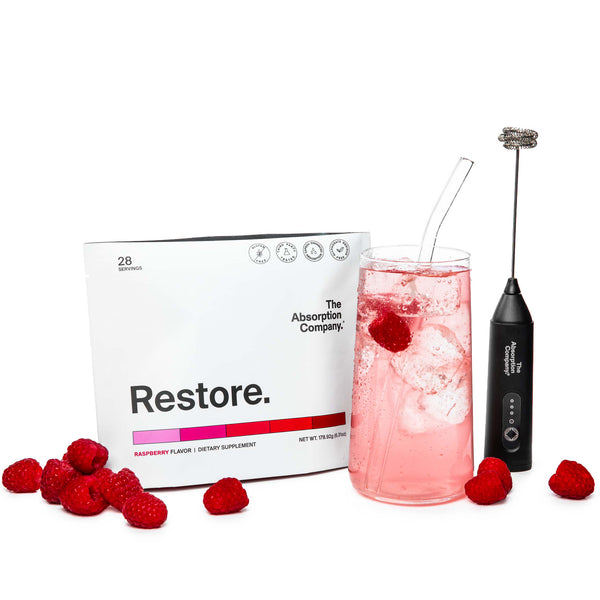
DHT is one factor in hair thinning, but oxidative stress on the scalp and follicle also plays a role in how your hair looks and grows. Free radical damage can wear down the collagen matrix that keeps skin and follicles resilient over time. That's the gap our Restore formula was built to close, pairing liposomal glutathione and Vitamin C to shield your collagen matrix from that kind of damage. Since both nutrients ride on our absorption-enhancing science, more of what you take reaches your cells instead of getting lost along the way.
Restore isn't a DHT blocker supplement, and we won't claim it is one. Consider it a way to care for the deeper environment your hair grows in, cutting back the oxidative wear that can leave hair looking dull and skin looking tired.
What Happens When You Stop Taking A DHT Blocker?
Stopping a DHT blocker supplement means any effect it had on DHT-related pathways may gradually fade as your body returns to its usual hormonal activity. If DHT sensitivity is contributing to your hair loss, the follicles may once again be exposed to the same signals that encouraged them to shrink over time.
That doesn’t mean your hair will suddenly fall out the moment you stop taking a supplement, since changes in the hair growth cycle typically happen gradually. If increased shedding or thinning returns, consider talking with a healthcare professional about the underlying cause and the most appropriate long-term approach for supporting your hair.
Disclaimer:
The information provided in this article is for general informational and educational purposes only and is not a substitute for professional medical advice, diagnosis, or treatment. Always seek the guidance of your physician or other qualified health provider with any questions you may have regarding your health or a medical condition. Never disregard or delay seeking professional medical advice because of something you have read here.
FDA Disclaimer:
These statements have not been evaluated by the Food and Drug Administration. The products are not intended to diagnose, treat, cure, or prevent any disease.