Your brain runs on a complex system of cellular protection—antioxidants working behind the scenes to keep your neurons firing and your thoughts clear. Glutathione is one of the most critical players in this system. But here's the challenge: as you age and as stress accumulates, your natural glutathione levels begin to decline. The consequences show up as sluggish thinking, poor memory recall, and persistent brain fog.
Emerging research connects reduced glutathione levels in key brain regions with higher oxidative stress—the cellular wear and tear that chips away at mental sharpness. This oxidative stress is directly implicated in everything from occasional brain fog to the early stages of cognitive decline. Glutathione acts as your brain's detox system, neutralizing free radicals and supporting neuron recovery from daily stressors. When those reserves run low, memory, focus, and mental clarity all suffer.
Studies in both animals and humans suggest that maintaining healthy glutathione levels may support better cognitive performance and mental clarity. Low glutathione appears to be an early warning signal, marking the beginning of cognitive challenges before more serious issues develop. The message from the latest brain research is clear: supporting healthy glutathione levels is essential for both immediate brain health and long-term neuroprotection.
How Glutathione Protects Neurons From Oxidative Stress
Ever wonder why your brain feels foggy after a stressful day or poor night's sleep? Your neurons are constantly battling oxidative stress—a natural byproduct of everyday living, intense workouts, late nights, and even normal metabolism. Glutathione is your neurons' personal defense system.
Often called the "master antioxidant," glutathione neutralizes harmful free radicals before they can damage brain cells. In your brain, oxidative stress can harm cell membranes, slow communication between neurons, and over time, potentially contribute to more serious cognitive challenges. Glutathione steps in to prevent this damage.
Here's why it matters: neurons use massive amounts of oxygen to fire off thoughts, movements, and emotions, making them especially vulnerable to oxidative damage. Glutathione works inside each cell, neutralizing unstable molecules and supporting your brain's natural detox pathways. When oxidative stress ramps up—from a tough workout, poor diet, or chronic stress—low glutathione levels can mean more inflammation, slower cognition, and persistent brain fog.
With adequate glutathione support, your brain cells are better equipped to repair themselves, maintain clear communication, and keep your mental edge sharp. Research suggests that higher glutathione levels may be linked to improved memory and learning, especially under stress. The takeaway: your neurons thrive when they have the right protection against oxidative stress.
Benefits of Supporting Glutathione for Memory, Focus, and Mood
Ever notice how some days your brain feels unstoppable, while others it's impossible to shake the mental fog? Glutathione might be the key nutrient your brain has been missing. This powerful antioxidant does more than just protect your neurons—it helps optimize how you think, remember, and feel.
Sharpen Your Memory
Research shows that glutathione acts as a frontline defender for delicate brain cells, shielding them from oxidative stress and free radical damage. By reducing this cellular stress, glutathione helps preserve neural connections—the pathways your brain uses to store and retrieve memories. Some studies have linked higher glutathione levels with better short-term and long-term memory function, making it an essential nutrient for lifelong learning.
Support Focus and Mental Clarity
Glutathione and brain fog aren't just buzzwords. A healthy balance of glutathione supports reduced inflammation and optimized blood flow to the brain, both critical for maintaining sharp mental clarity and sustained attention. After a poor night's sleep, heavy meal, or stressful week, your glutathione stores can run low. Supporting your glutathione levels means fueling your brain to keep your thoughts clear and your productivity high, no matter what life throws your way.
Support Mood and Emotional Wellbeing
Mood isn't just about mindset—it's deeply connected to brain chemistry. Glutathione supports the neurotransmitters that regulate mood, including dopamine and serotonin. Research suggests that low glutathione may be linked to increased feelings of stress and mood challenges. By fortifying your brain's antioxidant defenses, you create a more balanced environment for these crucial neurotransmitters to work, supporting a calm, uplifted, and resilient state of mind.
When your brain has the antioxidants it needs, everything just seems to click into place. Glutathione is one key nutrient that may help you reach that next level of clarity, energy, and optimism.
Glutathione's Role in Mitochondrial Function and Energy Production
What keeps your mental engine running at full capacity? Deep inside every cell of your brain, tiny powerhouses called mitochondria work around the clock, producing the cellular energy that fuels every neural signal, memory formation, and creative thought. But this energy production isn't perfect—it generates free radicals, unstable molecules that threaten to damage the very cells keeping you sharp.
Glutathione acts as your mitochondria's maintenance crew. Day after day, mitochondria generate ATP—the cellular energy currency responsible for powering your brain. But without adequate glutathione to neutralize those free radicals, oxidative stress builds up, overwhelming your mitochondria and leading to fatigue, brain fog, and slower mental performance.
Here's where glutathione shines: it's one of your body's most powerful antioxidant defenders, neutralizing dangerous free radicals before they can cause harm. Glutathione also helps regenerate other antioxidants like vitamins C and E, extending that layer of protection even further. When mitochondrial function is optimized and oxidative stress is kept in check, your brain enjoys stable energy production, crystal-clear focus, and sustained cognitive performance.
The next time you're powering through a productive day, thank those mitochondria—and the glutathione helping them fuel your brain at peak performance.
Clinical Studies Linking Glutathione to Neurodegenerative Health
How does glutathione support your brain against the natural challenges of aging? A growing body of clinical research explores glutathione's role in brain health and cognitive resilience.
Studies have consistently found that individuals experiencing neurodegenerative challenges—including conditions like Alzheimer's and Parkinson's—show depleted glutathione levels in critical brain regions. This "master antioxidant" works as both a protector and detoxifier, clearing out damaging free radicals and supporting healthy mitochondrial function. Glutathione acts as your cellular cleanup crew, helping prevent oxidative stress—the kind of cellular chaos associated with accelerated brain aging.
Research published in The Lancet Neurology discovered that individuals with Parkinson's had significantly lower glutathione in brain regions critical for motor control compared to healthy individuals. Other studies have explored whether maintaining healthy glutathione levels may support cognitive function and memory. Researchers continue to investigate whether optimizing glutathione could support cognitive resilience over time.
Early research also suggests that maintaining healthy glutathione levels may support mental clarity and reduce occasional brain fog—challenges that can affect overall cognitive wellness. The evidence points to glutathione as a crucial nutrient for supporting brain health throughout life.
Choosing Glutathione Supplements That Prioritize High-Absorption
You're diligent about what you put in your body. But have you ever wondered how much of your daily supplement actually works for you? When it comes to glutathione—a powerful antioxidant crucial for optimal brain health and neuroprotection—the answer largely depends on absorption. Unfortunately, most traditional supplements fall short, with only a small fraction actually reaching your bloodstream.
Why does absorption matter for glutathione? Glutathione molecules are notoriously large and unstable, struggling to survive the digestive process. If your supplement can't bypass these challenges, those potential benefits for brain fog and cognitive clarity never materialize.
Here's where modern supplement science makes the difference. Leading-edge formulations use advanced technologies to drastically reduce glutathione particle size, shrinking it down to nanometers—the perfect size to pass through intestinal walls and into your bloodstream. But size alone isn't enough. Encasing these tiny nutrients in a protective lipid layer prevents them from being destroyed by stomach acid, supercharging absorption.
The impact is measurable. Supplements using thoughtful delivery technology can deliver up to 500% more glutathione where it matters—your body and brain. That means more antioxidant support, greater potential for cognitive benefits, and a real opportunity to clear the haze of brain fog, all because your body is finally absorbing what it needs.
With a crowded market, look for high absorption supplements that emphasize bioavailability and advanced delivery technology—not just purity or dosage.
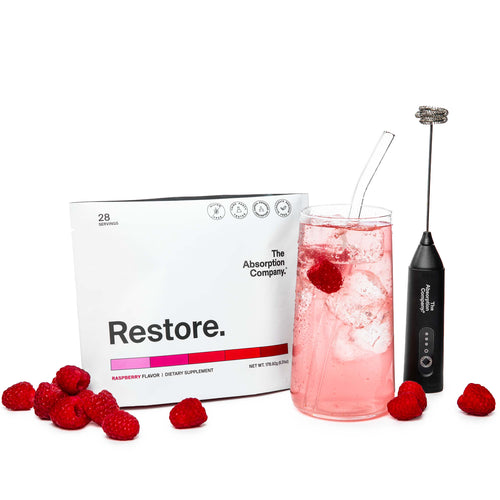
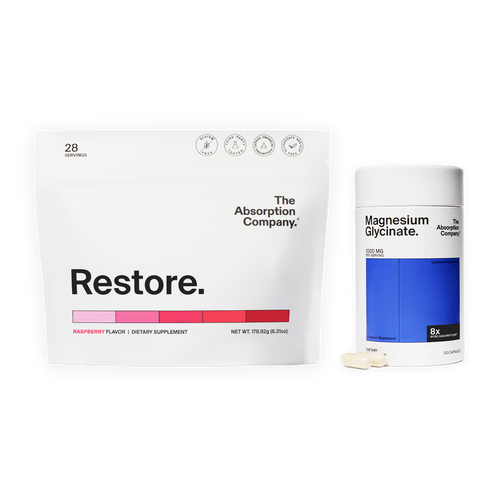
At The Absorption Company, we formulate Restore with liposomal glutathione using Capsoil® technology. By pairing glutathione with vitamin C, we create a powerful synergy that boosts antioxidant defense and enhances cellular protection. More absorption equals more benefits—so you actually get the results you're looking for.
Sources:
- Iskusnykh, I. Y., Zakharova, A. A., & Pathak, D. (2022). Glutathione in Brain Disorders and Aging. Molecules (Basel, Switzerland), 27(1), 324. https://doi.org/10.3390/molecules27010324
- Klihada, F. (2023, February 3). Relationship between glutathione and the immune system. Oxidants and Antioxidants in Medical Science. https://www.ejmoams.com/ejmoams-articles/relationship-between-glutathione-and-the-immune-system-95869.html
- Kerksick, C., & Willoughby, D. (2005). The antioxidant role of glutathione and N-acetyl-cysteine supplements and exercise-induced oxidative stress. Journal of the International Society of Sports Nutrition, 2(2), 38–44. https://doi.org/10.1186/1550-2783-2-2-38
- Atkuri, K. R., Mantovani, J. J., Herzenberg, L. A., & Herzenberg, L. A. (2007). N-Acetylcysteine--a safe antidote for cysteine/glutathione deficiency. Current opinion in pharmacology, 7(4), 355–359. https://doi.org/10.1016/j.coph.2007.04.005
- Yin, N., Harris, P. W. R., Liu, M., Sun, J., Chen, G., Wen, J., & Brimble, M. A. (2025). Enhancing the Oral Bioavailability of Glutathione Using Innovative Analogue Approaches. Pharmaceutics, 17(3), 385. https://doi.org/10.3390/pharmaceutics17030385
Disclaimer:
The information provided in this article is for general informational and educational purposes only and is not a substitute for professional medical advice, diagnosis, or treatment. Always seek the guidance of your physician or other qualified health provider with any questions you may have regarding your health or a medical condition. Never disregard or delay seeking professional medical advice because of something you have read here.